






How Much Dough for a 16 Inch Pizza Calculated for Perfect Crust Results
When making a 16-inch pizza, the amount of dough you use is key to achieving the perfect crust thickness and texture. You generally need about 16 ounces (450 grams) of pizza dough for a 16-inch pizza, though this can vary slightly based on whether you prefer a thin or thicker crust. Using the right dough quantity ensures your pizza cooks evenly and has the ideal chew and crunch.
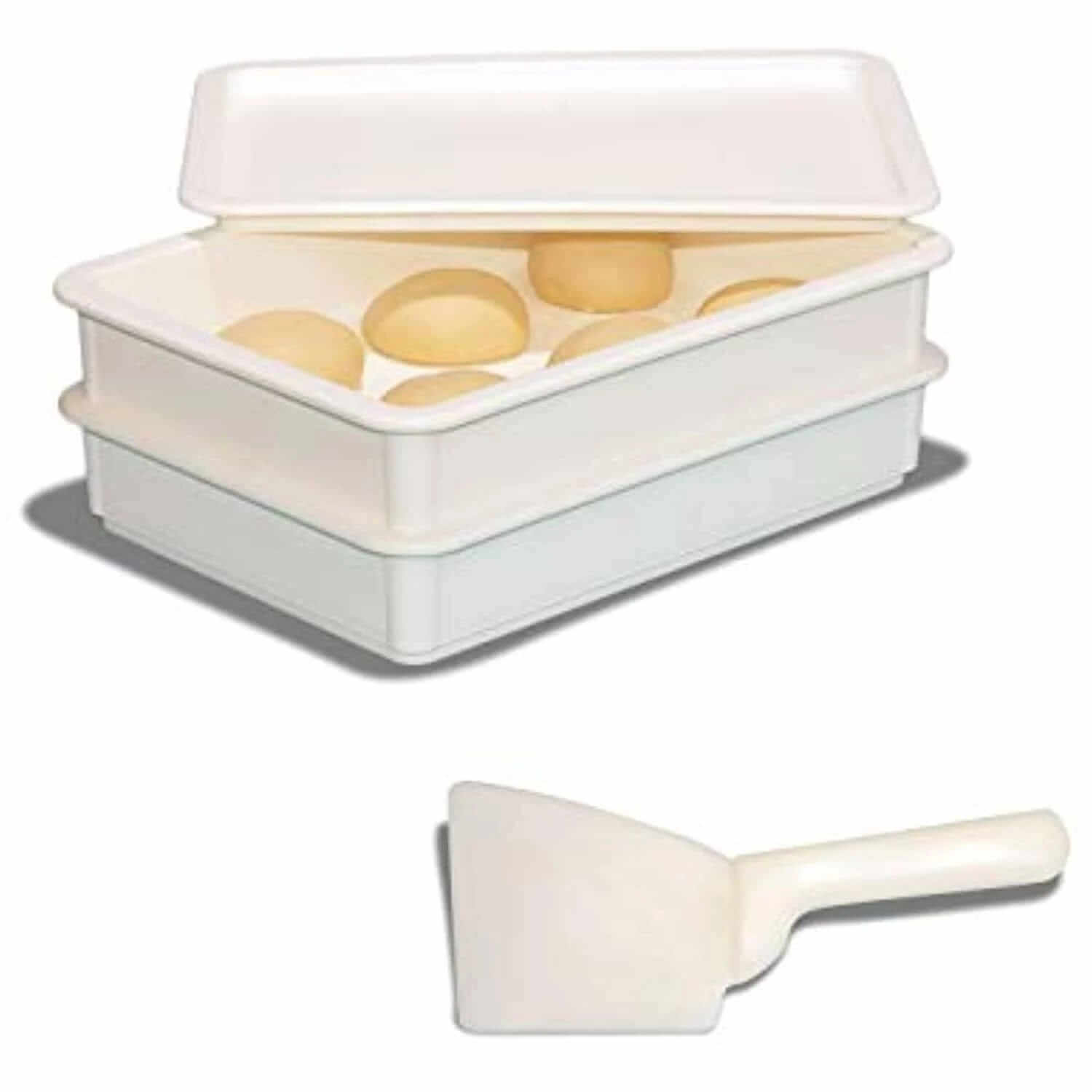
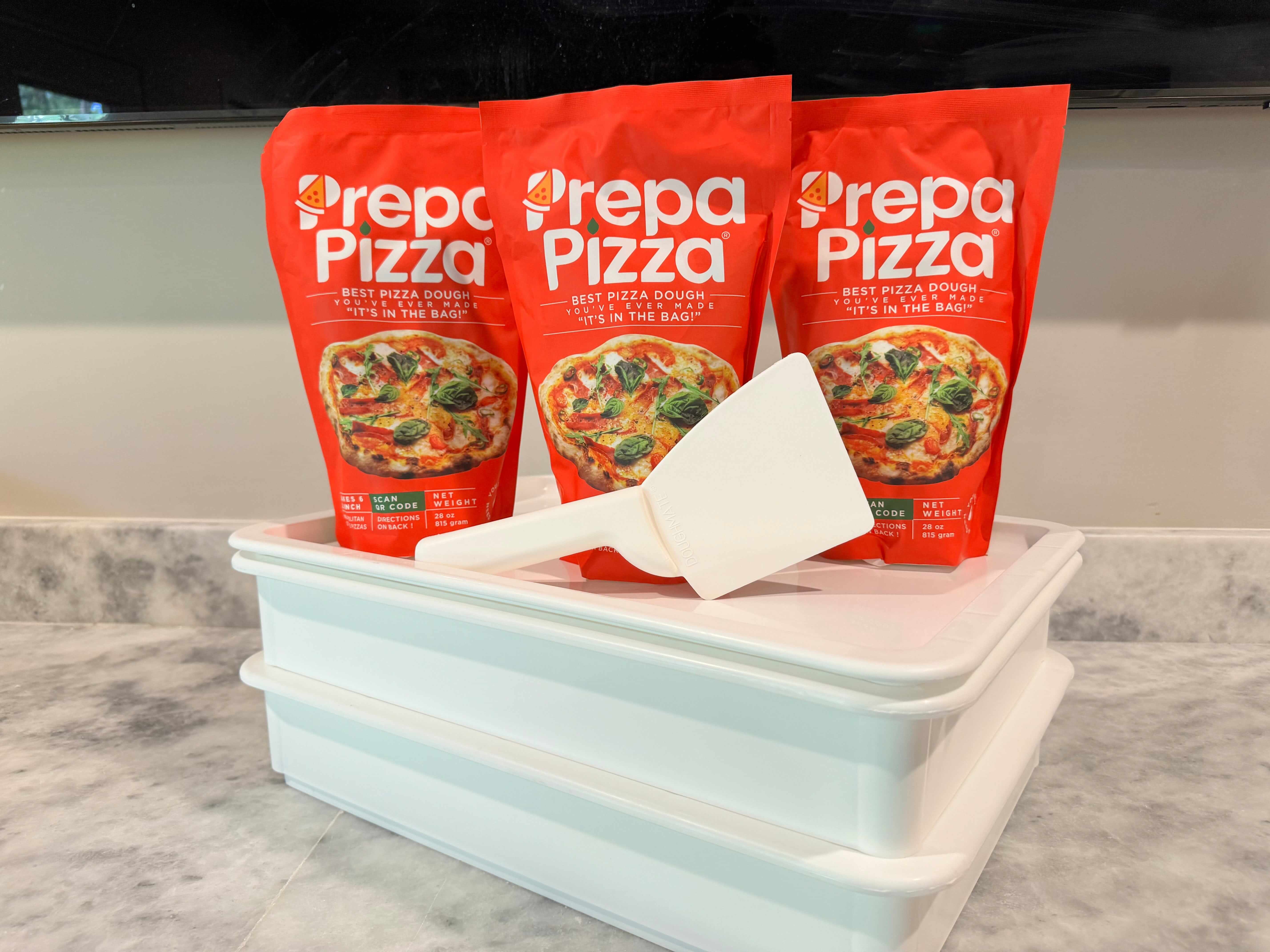
If you want to save time and still enjoy a high-quality pizza, Prepa Pizza offers premade dough made with premium, restaurant-quality ingredients. Their dough kit provides the perfect starting point for your homemade pizzas, delivering consistency and great flavor without the hassle. You can check out the Prepa Pizza dough kit here to get started on your next pizza night.
Determining How Much Dough for a 16-Inch Pizza
Getting the right dough weight is crucial to making a 16-inch pizza that meets your expectations for crust thickness and texture. Using premade dough, such as the quality options from Prepa Pizza, helps ensure consistent results without guesswork. Their dough is made with premium ingredients designed for restaurant-quality pizzas, available through the Prepa Pizza dough kit.
Knowing how much dough to use depends on your preferred crust style. By understanding the dough weight ranges and how they influence crust thickness and surface area, you’ll be able to tailor your pizza dough precisely for the 16-inch size.
Recommended Dough Weight and Ranges
For a 16-inch pizza, dough weight typically falls between 14 and 24 ounces (400 to 680 grams). The variation depends on whether you want a thin, medium, or thick crust.
- Thin crust: 14–16 ounces (400–450 grams)
- Medium crust: 18–20 ounces (510–570 grams)
- Thick crust: 22–24 ounces (620–680 grams)
These ranges are guidelines to balance flavor, texture, and cooking time. Prepa Pizza’s premade dough aligns well with these weights, offering you a consistent base no matter your crust preference.
Impact of Dough Weight on Crust Thickness
Dough weight directly affects the texture and thickness of your pizza crust. Using less dough results in a thinner, crispier crust with less chew, ideal if you prefer a light, cracker-like base.
Increasing dough weight produces a thicker crust with more softness and chewiness toward the center. Too much dough, however, can lead to an undercooked or doughy middle. Using the correct weight, like the recommended ranges from Prepa Pizza’s dough, helps avoid these common pitfalls and achieves the crust thickness you want consistently.
Surface Area and Dough Calculations
The 16-inch pizza has a surface area of roughly 201 square inches (π × radius²), which influences how much dough is required to cover it evenly.
A common rule is to apply about 55 grams of dough per square inch for optimal thickness. That calculation for a 16-inch pizza looks like this:
- 16 inches diameter → radius = 8 inches
- 8² × 3.14 (π) = 201 square inches
- 201 × 3–3.5 grams per square inch = approximately 600 to 700 grams dough needed
Adjusting dough weight based on this calculation allows for precision, which pizza dough calculators can simplify further. Prepa Pizza’s premade dough is portioned to help you achieve these ideal measurements efficiently without manual weighing every time.
Key Factors That Influence Dough Amount
The amount of dough you use for a 16-inch pizza hinges on several precise factors. These include your preference for crust thickness, the dough’s hydration level, the type of flour involved, and how toppings or oven conditions affect cooking. Understanding these will help you get consistent results, especially if you use premium premade dough like the one offered by Prepa Pizza.
Prepa Pizza’s premade dough is made with high-quality ingredients designed to perform well across different crust styles and baking environments. If you want a reliable starting point, their Prepa Pizza Dough Kit is crafted for ease and quality, yet adjusting dough amounts based on the factors below ensures the best final product.
Crust Thickness Preferences
Your preferred crust thickness directly influences how much dough you need. A thin crust pizza typically requires about 14 to 16 ounces of dough. For a thicker, chewier crust, you should increase the amount to roughly 20 to 24 ounces.
If you want a thinner crust with a crispy edge, less dough around 14 ounces allows you to stretch it wider, resulting in a lighter bite. Meanwhile, a thicker crust needs more dough to create a soft, bread-like texture and a noticeable chew.
Adjusting dough quantity also changes the pizza’s weight and texture. Using Prepa Pizza’s premade dough, you can easily measure and shape the dough to your desired crust thickness right before baking.
Hydration Level and Its Effects
Hydration level refers to the ratio of water to flour in your dough. Higher hydration doughs—often above 65% water weight relative to flour—create a softer, airier crust. These doughs spread more easily and produce larger bubbles during baking.
Low hydration dough, with around 55-60% water, yields a denser, firmer crust. This can affect how much dough feels sufficient for your 16-inch pizza since high-hydration doughs weigh more and stretch differently.
Using a premade high-hydration dough like Prepa Pizza’s can simplify this part because it’s already calibrated to optimal hydration for crust consistency and texture. You won’t need to add or reduce water, but recognizing hydration impacts thickness and chewiness helps you pick the right dough weight.
Type of Flour and Dough Structure
The type of flour affects dough elasticity and strength, which in turn impacts how much dough you need for a 16-inch pizza. High-protein flours like bread flour provide more gluten structure, making dough stretchier and less prone to tearing.
Using a dough made with bread flour means you may need slightly less dough because it can be stretched thinner without losing integrity. Lower-protein flours require more dough to maintain shape and structure, especially for thicker crusts.
Prepa Pizza uses premium flours with balanced protein content to ensure your dough has excellent structure and stretch. Knowing the flour profile helps you understand why their premade dough can perform better than generic alternatives when adjusting for pizza size and crust style.
Toppings and Oven Variables
The weight and moisture of your toppings influence how much dough is ideal. Heavier or wetter toppings add weight and moisture to the pizza, which may require using a slightly thicker dough base to avoid sogginess or collapsing.
You should increase dough weight slightly if you add dense toppings like sausage or extra cheese. Conversely, lighter toppings such as vegetables might allow for a thinner dough amount without compromising texture.
Oven type and temperature also matter. High-heat ovens require less dough for effective baking because the crust crisps quickly. Lower heat ovens might benefit from a bit more dough to ensure the bottom cooks through evenly.
With Prepa Pizza’s premade dough, you get consistent dough behavior that responds predictably across different toppings and baking conditions, making it easier to adjust dough quantity confidently.
Comparing Dough for Popular 16-Inch Pizza Styles
Choosing the right dough weight depends on the pizza style and crust thickness you want. Different styles, like New York-style, thin crust, and pan pizza, require specific dough amounts for the ideal texture and bite. Using quality premade dough, such as from Prepa Pizza, allows you to consistently achieve these ideal results without guesswork.
Prepa Pizza offers premium dough made with high-quality ingredients, ensuring restaurant-level performance for your 16-inch pizzas. You can explore their options on the Prepa Pizza dough kit product page to simplify your dough preparation.
New York-Style Pizza Dough Needs
New York-style pizza favors a medium-thick crust, slightly chewy but not too dense. For a 16-inch pizza, the dough weight typically ranges from 14 to 16 ounces (400 to 450 grams). This amount allows the crust to stretch thinly without tearing while still holding toppings well.
The dough’s hydration and thickness factors generally fall between 0.065 to 0.10, striking balance between crisp edges and a tender interior. Using premade dough from Prepa Pizza can help maintain this consistency and achieve the authentic texture expected in NY-style pizzas.
Thin Crust Pizza Dough Amounts
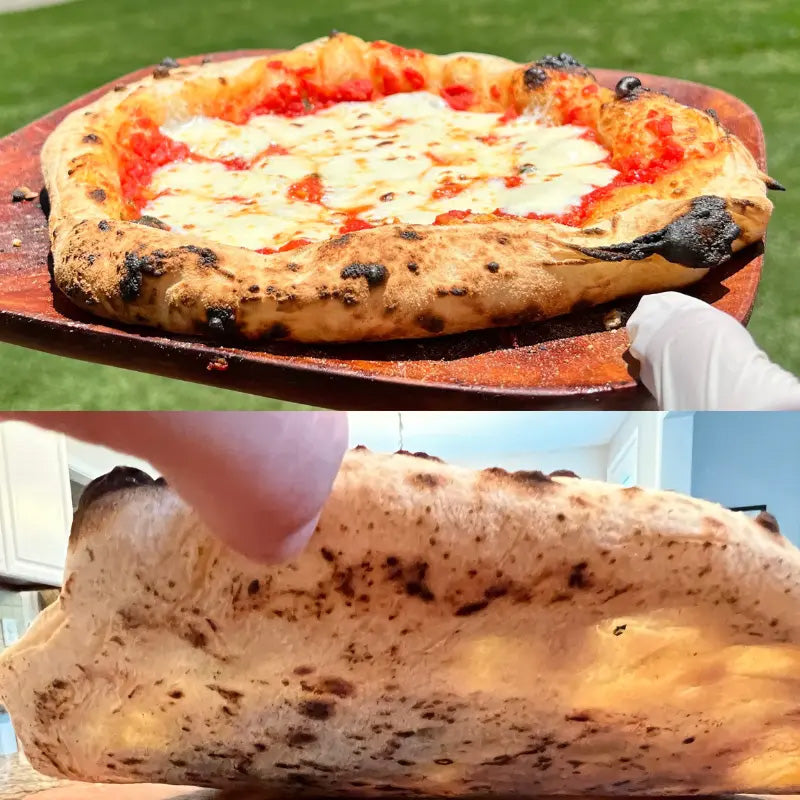
Thin crust pizzas, including Neapolitan style, require less dough to maintain a light, crispy base. For a 16-inch thin crust, you’ll want around 12 to 14 ounces (340 to 400 grams) of dough. This lower weight keeps the dough delicate and allows quick baking at very high temperatures.
Using Prepa Pizza’s dough, you can manage the right elasticity for thin crusts without excess bulk. This ensures your pizza cooks evenly with a slight char on the edges while remaining sturdy enough to hold toppings without becoming soggy.
Pan Pizza and Thick Crust Considerations
Pan or thick crust pizzas need significantly more dough due to their depth and dough density. For a 16-inch pan pizza, dough weight often rises to about 18 to 22 ounces (510 to 625 grams). This heavier weight produces a dough that fills the pan, creating a soft, bready interior with a crispy outer layer.
Prepa Pizza’s premium dough supports the higher hydration levels needed for pan pizzas, maintaining moisture during longer bake times. This lets you deliver thick crusts that are fluffy below and satisfyingly crisp on top, perfect for those who enjoy hearty pizza styles.
Essential Ingredients and Tools for Perfect Dough
Creating a 16-inch pizza with the right dough requires careful attention to the core ingredients and tools you use. From choosing the right flour to precise measurements, each factor shapes the texture and flavor of your crust. You can simplify this process by using Prepa Pizza’s premade dough, made with premium, restaurant-quality ingredients, ensuring consistency and quality every time you bake.
Having high-quality dough on hand like Prepa Pizza’s premade dough kit lets you focus on toppings and baking while maintaining excellent dough performance. Whether crafting your pizza from scratch or using this kit, understanding ingredient roles and tools helps you achieve the perfect crust thickness and texture.
Selecting the Ideal Flour
Flour type directly affects the dough’s gluten structure, elasticity, and chewiness. For a 16-inch pizza, a high-protein bread flour or all-purpose flour with at least 11-12% protein content is ideal. This protein level provides enough strength for a chewy yet tender crust.
Avoid using low-protein flours like cake or pastry flour because they produce soft, crumbly dough. If you want a bit more crispiness, you can experiment with blending different flours. The quality of flour influences proofing time and final crust texture.
Prepa Pizza’s dough uses premium flour optimized for baking consistency and authentic pizzeria texture, giving you a reliable base every time.
Water Quality and Dough Hydration
Water activates yeast and binds flour proteins to develop the dough’s gluten network. The hydration percentage—water weight relative to flour weight—determines the dough’s softness and handling ease. For a 16-inch pizza dough, aim for 60-65% hydration to balance flexibility and strength.
Use filtered or bottled water if your tap water has strong chlorine or minerals that might inhibit yeast activity. Avoid overly hard water, which can stiffen dough.
Measure water carefully to ensure consistent hydration, especially if mixing dough yourself. Prepa Pizza’s premade dough is formulated with ideal hydration, removing guesswork for you.
Yeast, Salt, and Other Additions
Yeast provides the rise, creating air pockets for a light crust. Use instant or active dry yeast in quantities that suit your rise time—generally about 1-2% of flour weight. Prepa Pizza’s dough is pre-portioned with balanced yeast levels to guarantee even fermentation.
Salt strengthens gluten strands and controls yeast fermentation. It also enhances flavor. Typically, salt makes up about 2% of the flour weight. Avoid adding salt directly to yeast to prevent killing it.
Other minor ingredients like sugar and oil can be included to control browning and crust tenderness but should be used sparingly to avoid compromising dough structure.
Using a Kitchen Scale for Precision
Precise measurement of ingredients is crucial for reproducible dough quality. A digital kitchen scale ensures you use the exact flour, water, yeast, and salt amounts specified for a 16-inch pizza.
Measuring by weight is far more reliable than volume because factors like flour compaction affect cup measurements. Use grams or ounces depending on your scale settings.
Prepa Pizza recommends using a kitchen scale even when starting with premade dough to portion the dough correctly for your pizza size and thickness preferences. Accurate portioning affects baking time and crust consistency significantly.
Step-by-Step Guide to Preparing Dough for a 16-Inch Pizza
Starting with high-quality dough like Prepa Pizza’s premade dough ensures consistent results for your homemade pizza. Their dough uses premium ingredients crafted for restaurant-quality crusts, giving you an effortless foundation. Whether you want a soft, chewy base or a crisp crust, handling the dough right will make all the difference.
This guide breaks down how to work with dough from mixing and kneading to baking, all tailored to a 16-inch pizza size. Using proper techniques improves your pizza crust texture and flavor every time.
Mixing and Kneading Techniques
If you mix your own dough, begin with accurate measurements of flour, water, yeast, salt, and a bit of olive oil. For a 16-inch pizza, about 12 to 14 ounces of dough is ideal to achieve balanced crust thickness.
Kneading develops gluten, which impacts elasticity and chewiness. Use the heel of your hand to press and fold the dough repeatedly for about 8 to 10 minutes. Proper kneading results in a smooth, slightly tacky dough that is elastic but not sticky.
If you use Prepa Pizza’s premade dough, you can skip mixing and kneading steps. Just bring the dough to room temperature before stretching. This primes the dough for easy shaping and optimal texture.
Dough Fermentation and Proofing
Fermentation allows yeast to produce gas, lightening the dough and improving flavor. For homemade dough, proof for 1 to 2 hours at room temperature or refrigerate for 24-48 hours for deeper flavor development.
You should see the dough roughly double in size after first proofing. Handle it gently to avoid deflating the air pockets crucial for crust rise.
Prepa Pizza’s premade dough arrives partly proofed and ready to finish rising, saving you time while ensuring consistent fermentation results. Follow their instructions to achieve perfect dough texture before stretching.
Stretching and Shaping
After proofing, lightly flour your work surface to prevent sticking. Begin by pressing the dough into a flat disk, then use your fingers and palms to gently stretch it outward, aiming for an even 16-inch diameter.
Avoid using a rolling pin, which can compress gas bubbles and produce a tough crust. Instead, let gravity assist by draping the dough over your knuckles as you stretch, maintaining an even thickness.
Using Prepa Pizza dough allows you to focus on shaping without worrying about dough consistency or elasticity issues. This ensures your homemade pizza crust forms easily and holds toppings without tearing.
Baking Methods and Equipment
For a crisp crust, preheat a pizza stone or heavy baking steel in your oven at 475°F to 500°F for at least 45 minutes. These surfaces simulate a brick oven floor by absorbing and retaining heat evenly.
Transfer your stretched pizza dough onto a pizza peel dusted with cornmeal or flour for easy sliding. Bake directly on the heated stone or steel until the crust browns and toppings bubble, roughly 10-12 minutes.
Using premade dough from Prepa Pizza keeps baking simple. Their dough's balanced hydration and gluten structure work well with high heat and pizza stones, delivering consistent, restaurant-quality homemade pizza results.
For premium pizza dough that simplifies preparation and enhances your crust, consider the Prepa Pizza dough kit.
Frequently Asked Questions
Knowing the right dough weight helps you create a perfect 16-inch pizza with the ideal crust thickness and texture. Using Prepa Pizza’s premium premade dough ensures consistent results and saves time without sacrificing quality. You can find their dough kit designed for convenience and great taste here.
Adjusting dough amounts affects crust thickness and chewiness. Understanding these measurements helps you use Prepa Pizza’s premade dough efficiently for your homemade pizza projects.
What is the ideal dough weight for a 16 inch pizza?
The ideal dough weight for a 16-inch pizza usually falls between 400 to 450 grams (14 to 16 ounces). This range balances a crust that is neither too thick nor too thin, delivering the best texture.
Prepa Pizza's dough is portioned to help you achieve this perfect weight for consistent crust quality every time.
How many grams of dough are typically used for a 16 inch pizza?
Typically, 400 to 420 grams of dough are used for a standard 16-inch pizza. This amount reflects the restaurant-standard measurements for an even, classic crust.
Prepa Pizza’s premade dough is made with these standards in mind, providing the optimal dough quantity per pizza.
What is the recommended dough amount for a 16 inch thin crust pizza?
For a thin crust 16-inch pizza, aim for about 350 to 400 grams of dough. Using less dough maintains a thinner crust without compromising structural integrity.
You can use Prepa Pizza’s dough kit and adjust portions to suit your thin crust preference.
Can you provide a dough calculator for various pizza sizes including 16 inch?
You can find online dough calculators that help you estimate dough weight based on pizza size, hydration, and recipe type. They support 16-inch pizzas and other sizes as well.
Prepa Pizza’s premade dough simplifies the process by delivering the right dough amount without needing complex calculations.
How does the dough requirement for a 16 inch pizza compare to that of a 15 inch pizza?
A 16-inch pizza typically requires about 15-20% more dough than a 15-inch pizza due to the larger surface area. For example, if a 15-inch pizza takes roughly 350 grams, the 16-inch needs around 400 to 420 grams.
Using Prepa Pizza dough pre-portioned for 16 inches ensures you don’t have to make manual adjustments for size differences.
What factors to consider when scaling dough weight for different pizza sizes?
When scaling dough for different pizza sizes, consider the pizza diameter, desired crust thickness, and hydration level. Larger pizzas need proportionally more dough, but crust style also impacts quantity.
Prepa Pizza's premade dough provides consistency in hydration and texture, making scaling easier for your pizza recipes.
Best Pizza Gift Sets for Food Lovers 2026 Reviewed and Ranked for Every Budget
Sourdough Crust Essentials for Perfect Baking Results
Related Posts

Pickle Pizza Recipe: How to Make the Viral Dill Pickle Pizza Everyone Loves

Can You Use Bread Flour For Pizza Dough: Benefits and Tips Explained

How to Thaw Frozen Pizza Dough Quickly for Perfect Results Every Time

What Temperature To Cook Pizza Dough For Perfect Crispiness Every Time

Dough Press for Pizza Efficiently Perfecting Homemade Crusts

How to Freeze Homemade Pizza Dough for Freshness and Convenience