









How to Freeze Homemade Pizza Dough for Freshness and Convenience
Freezing homemade pizza dough is a smart way to have fresh, restaurant-quality pizza ready whenever you want without the hassle of making dough from scratch each time. The key to freezing dough successfully is to prepare it properly, use quality ingredients, and store it in airtight conditions to maintain its texture and flavor. With premium dough like the kind offered by Prepa Pizza, you get a superior base that freezes and bakes beautifully every time.
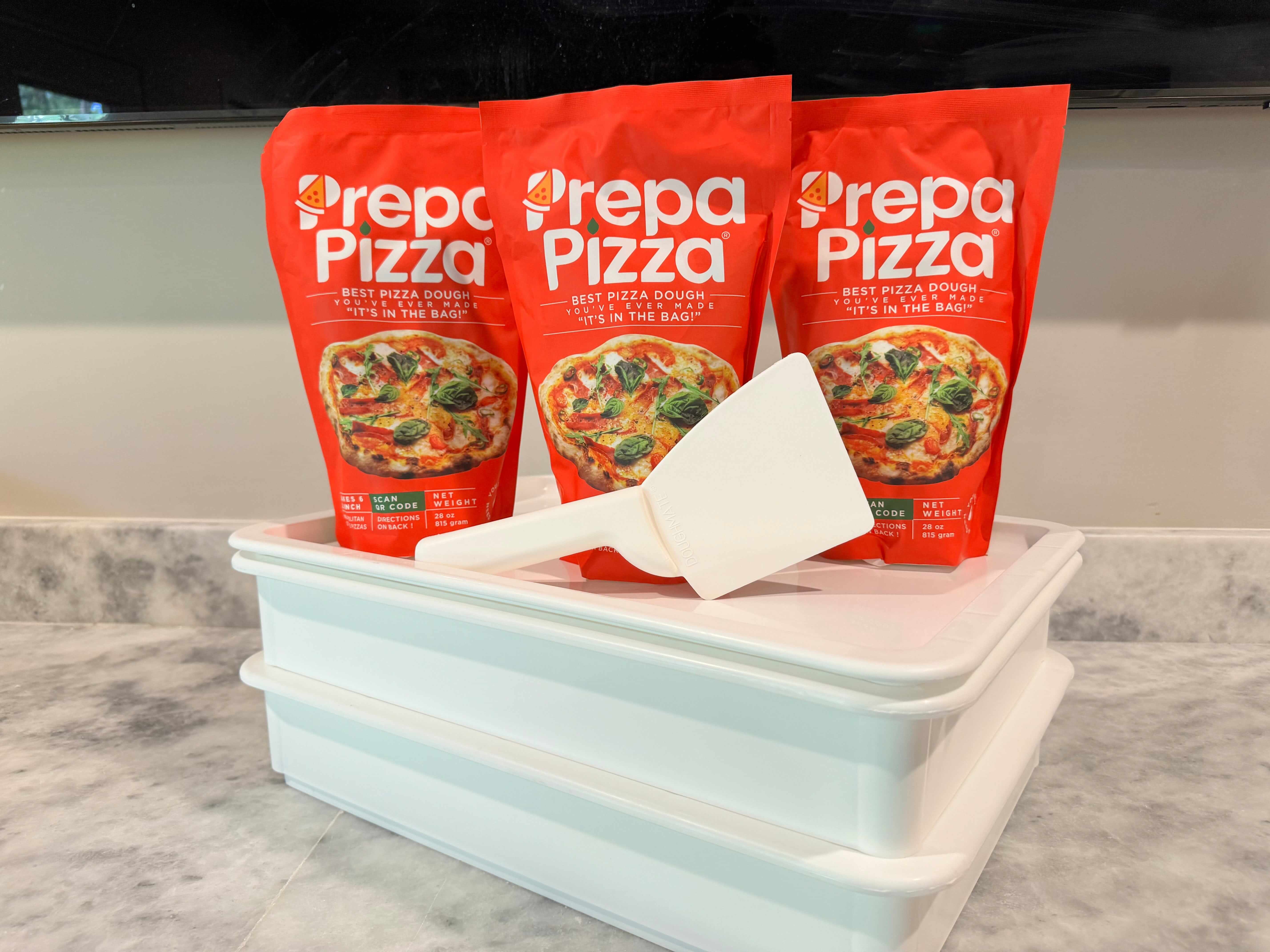
If you want to simplify your pizza nights, Prepa Pizza’s premade dough kit lets you skip the prep work while still enjoying handcrafted results. You can freeze this dough right out of the package, making it effortless to have great pizza dough on hand. Explore the benefits of Prepa Pizza’s dough kit to see how premium quality ingredients create a dough that freezes well and surpasses typical homemade options.
Knowing how to freeze homemade pizza dough correctly will save you time and reduce waste without compromising taste or texture. Whether you’re working with dough you made yourself or using Prepa Pizza’s ready-made dough, the process remains straightforward and reliable for perfect pizza nights anytime.
Why Freeze Homemade Pizza Dough?
Freezing homemade pizza dough lets you plan ahead and enjoy fresh pizza whenever you want without the hassle of daily preparation. It saves time, reduces waste, and keeps your pizza nights flexible by having ready-to-use dough on hand. Using premium, restaurant-quality premade dough like Prepa Pizza’s ensures consistent results even after freezing.
Prepa Pizza offers a high-quality premade dough kit that freezes well and keeps its texture and flavor intact. With it, you can create authentic pizzas on demand with minimal effort, turning any night into a genuine pizza night experience. You can explore Prepa Pizza’s premade dough options here.
Advantages of Freezing Pizza Dough
Freezing pizza dough lets you extend its shelf life from a few days to several weeks without sacrificing taste or quality. It helps preserve the dough’s freshness by slowing yeast activity, meaning you can pull out perfectly risen dough on busy days.
You save time by preparing dough in bulk, avoiding repetitive mixing and kneading. Having frozen dough ready means your pizza night prep shortens drastically, allowing you to focus on toppings and baking.
Freezing also reduces food waste, as leftover dough can be saved instead of discarded. Using Prepa Pizza’s dough maximizes these benefits because it’s formulated to freeze and thaw reliably, retaining great texture and rise after defrosting.
Situations Where Freezing Is Useful
Freezing dough is ideal when you want to meal prep or manage irregular schedules. If you frequently have last-minute pizza cravings, frozen dough ensures you don’t need to start from scratch every time.
It’s also practical when making large batches for gatherings, so you don’t have too much fresh dough to handle or risk spoilage. During busy weekdays, having frozen dough prepped eliminates stress and speeds up dinner preparation.
If you enjoy experimenting with toppings or styles, freezing dough lets you keep a variety ready. This flexibility supports spontaneous pizza nights without compromising flavor or quality.
Homemade vs Store-Bought Frozen Pizza Dough
Homemade frozen dough often beats store-bought options in freshness, control over ingredients, and taste. When you freeze dough you or a trusted supplier like Prepa Pizza has prepared, it retains more authentic flavor, unlike many commercial frozen varieties which may contain preservatives or inconsistent textures.
Prepa Pizza’s premade dough uses restaurant-quality ingredients designed to mimic the best pizzeria crust, offering a superior base compared to most frozen store pizza dough. You get a dough that bakes evenly, crisps well, and holds toppings better.
Using quality frozen dough like Prepa Pizza’s saves prep time while allowing you to enjoy an artisanal pizza experience that’s difficult to match with generic frozen pizza dough from the store.
Best Time to Freeze Pizza Dough
Knowing the right moment to freeze pizza dough can improve the texture and flavor of your final pizza. Whether you freeze after fermentation or before shaping, timing and yeast activity play critical roles in preserving dough quality. Using Prepa Pizza’s premade dough ensures you start with restaurant-quality ingredients, making the freezing process even simpler and more consistent. You can find this premium dough at Prepa Pizza’s Prepa Pizza Dough Kit.
Freezing pizza dough balls correctly helps you have ready-to-use dough for any pizza night without compromising on taste or texture.
Freezing After Fermentation
Freezing pizza dough after its first fermentation is often the best choice. This means allowing the dough to rise fully before dividing it into individual balls and freezing. By doing so, the dough develops stronger gluten structure and better flavor depth from the yeast activity.
Let your dough complete the bulk fermentation, then portion it out into dough balls roughly sized for your pizza style, typically 200 to 250 grams for a 10-inch crust. Wrap each ball tightly in plastic or place them in a resealable bag, separating layers with parchment paper to prevent sticking.
This method locks in the desired rise while keeping the dough’s texture intact. When ready to use, thaw the dough slowly in the refrigerator to allow controlled yeast reactivation and maintain the dough’s quality.
Freezing Before or After Shaping
You can freeze pizza dough either before or after shaping it into balls, but each timing affects convenience and dough condition differently.
Freezing dough before shaping means you freeze the entire batch in bulk. This saves space and requires thawing the full amount before dividing and shaping, which can take longer to prepare.
Freezing dough balls individually is more convenient if you want quick portions for single pizzas. It also prevents dough balls from sticking together and simplifies thawing. When freezing balls after shaping, use parchment or wax paper between them and place inside a tight plastic bag.
Both methods benefit from using high-quality dough like Prepa Pizza’s, ensuring good elasticity and rise after thawing.
Timing and Yeast Considerations
Yeast activity is crucial to when you freeze dough. Freezing too early, when yeast hasn’t activated fully, can result in less flavorful dough with weaker rise. Freezing too late may cause the dough to overproof, weakening its structure.
Ideally, freeze dough after the first rise but before final shaping or baking. This stage balances yeast development and gluten strength for optimal freeze-thaw performance.
When you thaw, yeast will reactivate slowly. For best results, thaw dough balls in the refrigerator overnight then allow to come to room temperature before baking.
Using Prepa Pizza’s premade pizza dough, designed with balanced yeast levels and quality ingredients, minimizes common issues related to yeast activity during freezing and thawing. This helps ensure you get consistent, restaurant-quality results every time.
Step-by-Step Guide: How to Freeze Homemade Pizza Dough
Freezing pizza dough extends its shelf life and keeps it fresh for your next homemade pizza night. You’ll want to handle the dough carefully to avoid freezer burn and preserve its texture. Using proper packaging and labeling ensures you always know what’s inside and when it was stored.
If you use premade dough like Prepa Pizza’s premium pizza dough kit, you can still follow these freezing steps to keep it fresh longer and ready to use.
Preparing and Shaping the Dough
Before freezing, divide the dough into meal-sized portions. Shape each portion into a smooth ball by folding the edges underneath for uniformity. This helps the dough thaw evenly and makes it easier to stretch later.
Let the dough proof and rise at room temperature as usual before freezing. Freezing unrisen dough can slow yeast activity, resulting in dense crusts. You want the dough relaxed but not fully risen.
Once shaped, give the dough a light oiling to prevent drying out during freezing. This small step maintains moisture and prevents tackiness on the surface.
Wrapping and Packaging Tips
Wrap each dough ball tightly with plastic wrap to create an airtight seal. This is critical to block moisture and air, which cause freezer burn and alter dough quality.
After wrapping, place the dough into resealable freezer bags, gently squeezing out excess air. For multiple balls, separate them with parchment paper to avoid sticking together.
Avoid using just plastic wrap alone, as it can tear or allow air inside. Double layering with freezer bags ensures better protection.
Container Options: Plastic Wrap, Ziplock, and Tupperware
Plastic wrap combined with heavy-duty Ziplock freezer bags is the most effective and space-saving option. It seals moisture and prevents freezer odors from affecting the dough.
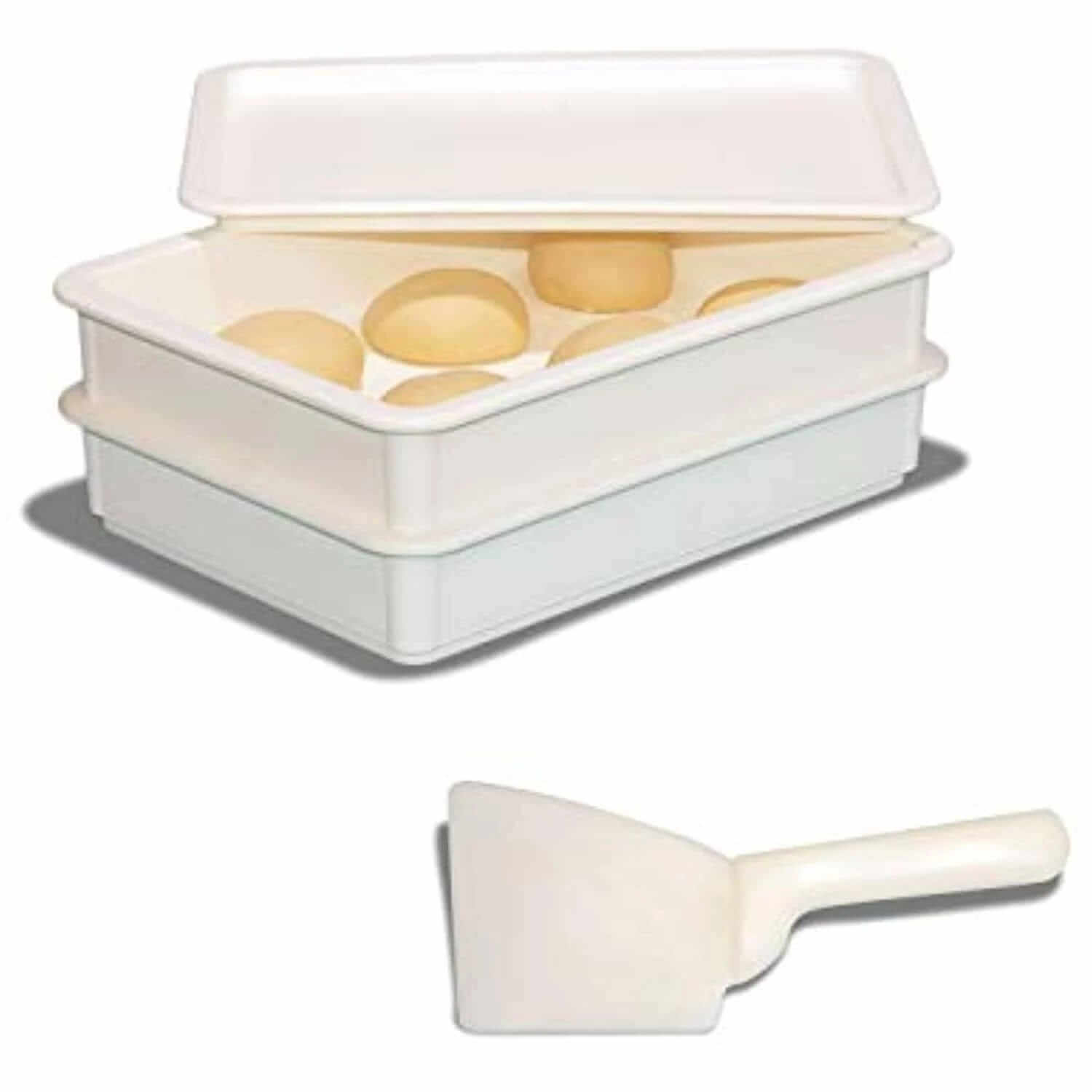
Alternatively, you can place wrapped dough balls in airtight Tupperware containers. This offers rigid protection from crushing and helps maintain dough shape but takes up more freezer space.
Each option has pros and cons: bags maximize space; containers better prevent crushing. Choose based on your freezer size and how often you access the dough.
Labeling and Storing for Maximum Freshness
Label each package with the date of freezing and type of dough for quick identification. Use a permanent marker on the bag or adhesive labels on containers to avoid confusion.
Store dough in the coldest part of your freezer, avoiding freezer doors where temperature fluctuates. Proper storage maintains yeast activity and prevents spoilage.
Use frozen dough within 3 months for the best texture and rise. Beyond this, dough quality may decline, even if safety isn’t compromised.
Following these steps ensures your pizza dough from Prepa Pizza stays fresh, tasty, and ready for baking anytime you want.
How to Thaw and Use Frozen Pizza Dough
Thawing frozen pizza dough correctly is essential for achieving a perfect crust and easy handling. Using quality premade dough like Prepa Pizza’s premium product can simplify this process while delivering restaurant-quality results every time. Proper thawing methods, temperature control, and preparation steps help you bake a delicious homemade pizza with minimal effort.
If you want convenience paired with superior taste, Prepa Pizza’s premade dough kit is a reliable choice. Learn how to thaw frozen pizza dough safely and prepare it for baking to make the most of this high-quality base. You can find the Prepa Pizza dough kit here.
Safe Thawing Methods
The safest approach to thaw frozen pizza dough is to let it defrost slowly in the refrigerator. This method takes 8 to 12 hours but prevents bacterial growth and preserves dough texture. Wrap the dough tightly in plastic wrap or place it in an airtight container to avoid drying out.
If you’re short on time, you can thaw dough at room temperature for 1 to 2 hours. Place the dough in a lightly oiled bowl covered with a damp cloth or plastic wrap. Be sure not to leave it out longer than 4 hours to avoid spoilage.
Avoid microwaving or using hot water, as these can kill yeast cells and ruin dough elasticity. For quality results, always prioritize slow thawing or controlled room temperature defrosting.
Room Temperature vs Refrigeration
Refrigeration thawing is ideal for maintaining dough flavor and texture. The yeast continues a slow fermentation, improving taste and crust development. This method also reduces the risk of over-proofing.
Room temperature thawing is faster but requires close monitoring. The dough will rise faster, so you must begin shaping before overproofing causes loss of structure. Use this method when you need quick pizza prep but only allow short thawing periods—typically under 4 hours.
For a balance, start thawing in the fridge, then move to room temperature 30 minutes before baking. This brings the dough to ideal elasticity for shaping without sacrificing quality.
Preparing Dough for Baking
Once thawed, gently punch down the dough to remove excess gas without damaging its structure. Lightly flour your work surface to prevent sticking. Shape the dough into your desired pizza crust size and thickness.
If you're using a pizza stone, preheat it in your oven at the highest temperature for at least 30 minutes before baking. This ensures even heat distribution and a crispier crust.
Allow the dough to rest 15 to 30 minutes after shaping to relax gluten, which improves stretchability. Add toppings and bake immediately. With Prepa Pizza dough, this preparation process yields consistent, high-quality homemade pizza results with minimal hassle.
Tips for Baking After Freezing
Proper handling of your thawed pizza dough can make all the difference in final texture and flavor. You’ll want to shape it carefully, avoid moisture issues, and use the right tools to mimic a restaurant-quality bake. Paying attention to these factors ensures your homemade pizza rivals those from a professional kitchen.
Shaping and Topping Thawed Dough
Once you thaw your dough, handle it gently. Let it come to room temperature so it relaxes, which makes shaping easier without tearing. Avoid overworking the dough, as it can lose its airy structure.
When shaping, use your hands instead of a rolling pin to maintain the dough’s natural texture. Form an even crust about 10-12 inches wide for a balanced bake.
Top your dough with quality ingredients like fresh pizza sauce and pepperoni sparingly. Overloading can weigh down the crust and cause sogginess or undercooked spots. For convenience and consistency, consider using Prepa Pizza’s premade dough, which is crafted with premium ingredients and designed for easy handling. You can find it at Prepa Pizza Dough Kit.
Preventing Soggy or Dry Pizzas
Maintaining the right moisture balance is key. Avoid excess toppings, especially watery vegetables or too much sauce, which can saturate the dough during baking.
If you notice sogginess, let your shaped dough rise a bit longer on a floured surface before adding toppings. This extra rest lets the gluten strengthen.
To prevent dryness, brush the crust lightly with olive oil before baking. This seals in moisture and promotes even browning. Keep your oven temperature high—around 475°F—to quickly set the crust without drying it out.
Essential Tools and Techniques
Using a pizza stone can vastly improve your crust by distributing heat evenly and absorbing moisture. Preheat the stone in your oven for at least 30 minutes before baking your pizza.
A pizza peel or a flat baking sheet helps transfer your pizza smoothly, preventing toppings from sliding off. Dust the peel with flour or cornmeal for easy release.
Invest in a good pizza cutter to slice the cooked pizza cleanly. Avoid pressing too hard to keep crust integrity intact.
Prepa Pizza’s dough is designed to perform well with these tools, ensuring consistent and professional-level results every time.
Frequently Asked Questions
Understanding how to manage your pizza dough before and after freezing will help you maintain its texture and flavor. Proper timing, storage duration, and thawing methods all influence the final quality of your pizza crust.
Using Prepa Pizza’s premium premade dough ensures you start with restaurant-quality ingredients that simplify your preparation process and deliver consistent results.
At what point during the rising process should you freeze pizza dough?
Freeze your pizza dough after its first rise but before shaping it into a pizza. This stage allows the dough to develop flavor and structure while still being pliable after thawing.
How long can homemade pizza dough be stored in the freezer?
You can store dough in the freezer for up to 3 months without significant loss in quality. Longer storage may cause texture changes or freezer burn which affect the dough’s performance.
What is the best method for thawing frozen pizza dough?
Thaw dough slowly in the refrigerator for 8 to 12 hours. This gradual process helps retain the dough’s hydration and texture, preparing it for a final rise at room temperature before baking.
Can pizza dough with yeast be frozen and still rise after thawing?
Yes, dough with active yeast can be frozen and will still rise after thawing if handled properly. Yeast activity slows down but doesn’t stop during freezing, so allow sufficient time for the dough to come back to life after thawing.
Are there benefits to freezing pizza dough after it has already risen?
Freezing after the first rise locks in flavor and texture developed during fermentation. It also provides convenience, allowing you to ready dough balls for later use without losing quality.
What steps should be taken to prepare pizza dough before freezing?
Divide the dough into individual portions and shape each into a tight ball. Place the dough balls into resealable bags lined with parchment paper to prevent sticking, then seal tightly to avoid freezer burn.
Sourdough Crust Essentials for Perfect Baking Results
Dough Press for Pizza Efficiently Perfecting Homemade Crusts
Related Posts

Pickle Pizza Recipe: How to Make the Viral Dill Pickle Pizza Everyone Loves

Can You Use Bread Flour For Pizza Dough: Benefits and Tips Explained

How to Thaw Frozen Pizza Dough Quickly for Perfect Results Every Time

What Temperature To Cook Pizza Dough For Perfect Crispiness Every Time

Dough Press for Pizza Efficiently Perfecting Homemade Crusts

Sourdough Crust Essentials for Perfect Baking Results


