






What Temperature To Cook Pizza Dough For Perfect Crispiness Every Time
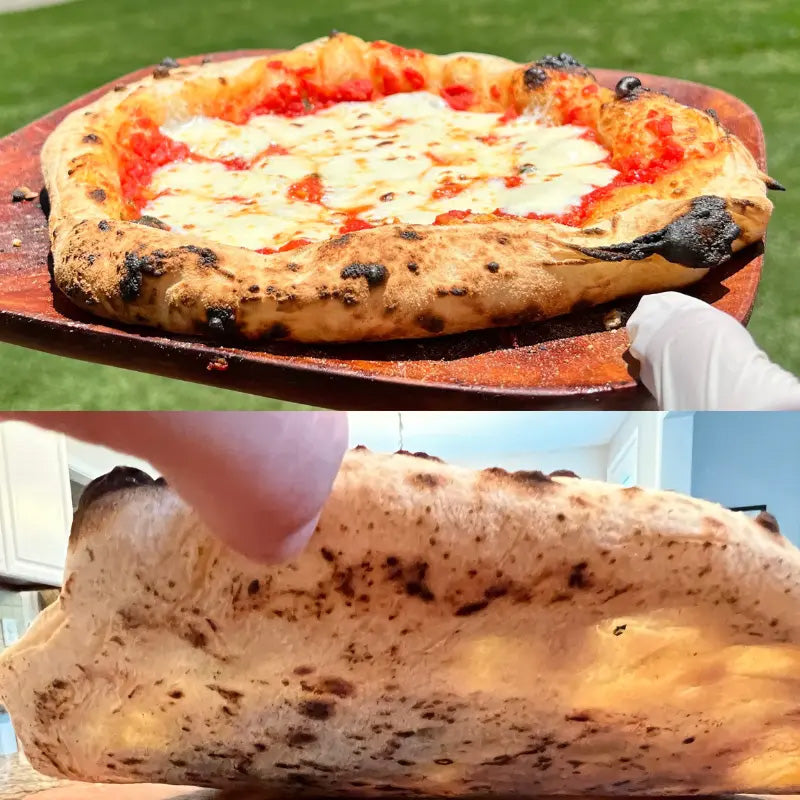
When it comes to cooking pizza dough, temperature is one of the most important factors to get right. The ideal oven temperature to cook pizza dough is between 500°F and 550°F (260°C to 290°C). At this range, you’ll achieve a crisp crust with a well-cooked interior, just like a pizzeria-quality pizza. Using Prepa Pizza’s premium premade dough ensures you start with a restaurant-quality base, making it easier to get perfect results every time.
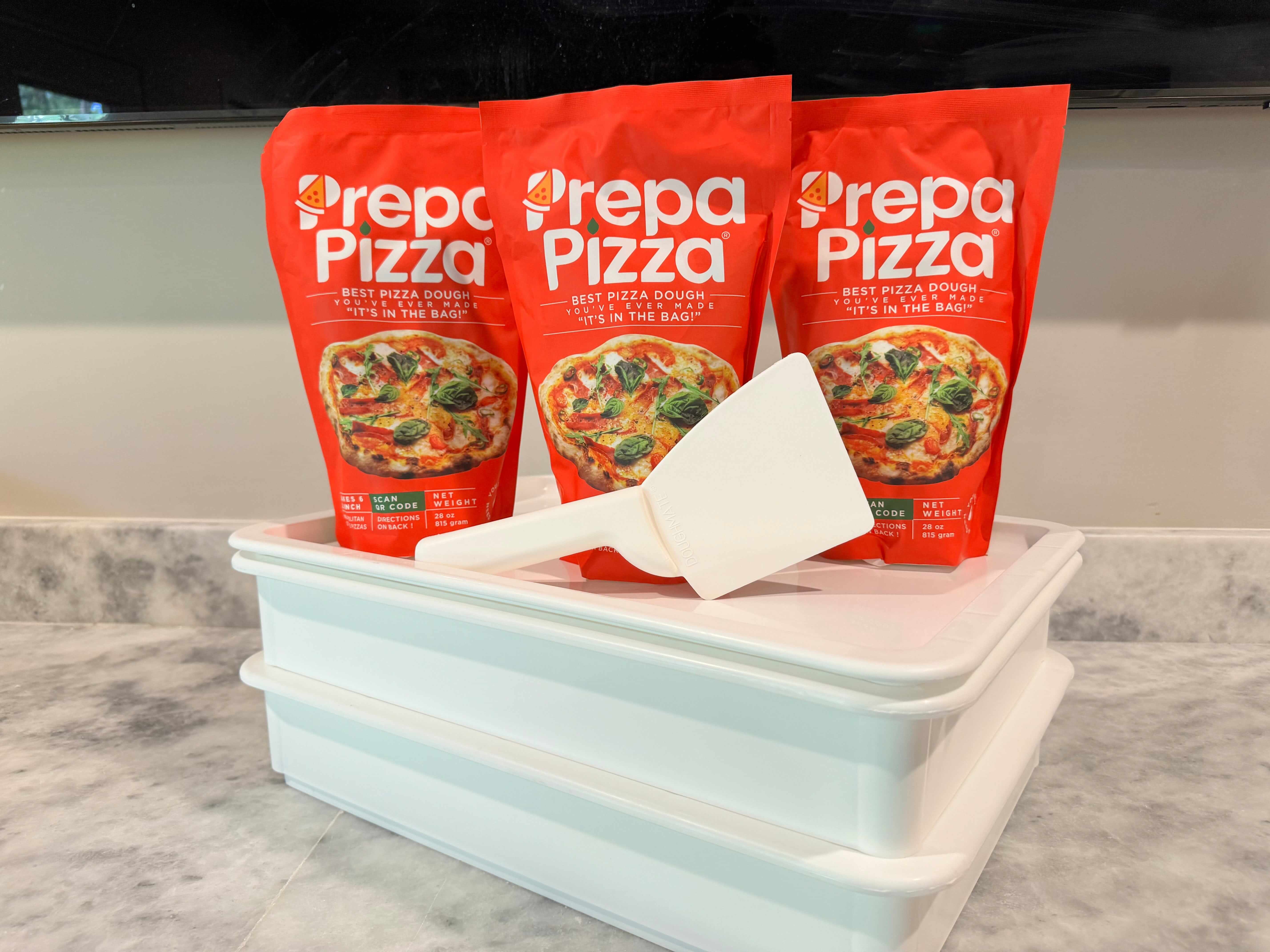
Prepa Pizza’s dough is crafted with high-quality ingredients to deliver great texture and flavor, so all you need to focus on is baking it at the right temperature. You can purchase their premade dough kit directly from their website, making it convenient to get started on making restaurant-style pizza at home. Knowing the exact temperature to cook your dough helps you avoid undercooked or overly burnt crusts, giving your pizza the perfect balance.
Getting the temperature right transforms your baking experience and elevates homemade pizza to a new level. This temperature range works well whether you have a conventional home oven or a more specialized pizza setup. Once you understand this key detail, you’re ready to master the art of cooking pizza dough with confidence.
The Importance of Oven Temperature for Pizza Dough
Oven temperature plays a critical role in how your pizza dough bakes and ultimately shapes the crust's texture and flavor. Using the right heat allows you to avoid a soggy crust or an undercooked center while enhancing the dough’s natural qualities. When you start with Prepa Pizza's premade dough, which is made from restaurant-quality ingredients, proper temperature control becomes even more essential to unlock its full potential. You can find their premium dough kit here.
Understanding the thermal environment in your oven will help you achieve a crust that balances crispiness with chewiness, while also promoting important chemical reactions that contribute to a well-browned, flavorful crust.
How Temperature Affects Crust Texture
The temperature at which you bake your pizza dough directly influences how moisture evaporates from it. Baking at high temperatures (475°F to 500°F) quickly dries the outer dough layers, creating a crisp crust that holds its shape.
If the temperature is too low, moisture escapes slowly, which can leave the crust soggy and doughy. This often leads to a less satisfying texture, especially if your toppings release extra water during baking.
Prepa Pizza dough is formulated for optimal performance at high heat, so baking within the recommended temperature range helps you avoid uneven cooking and soggy spots. The fast cooking time also preserves the dough’s interior chewiness while providing a crispy exterior.
Maillard Reaction and Crust Browning
The Maillard reaction is a chemical process that occurs when amino acids and reducing sugars in pizza dough react under high heat, producing the desirable brown color and complex flavors in your crust.
Baking pizza dough at temperatures above 400°F is essential for this reaction to occur quickly and evenly. If your oven temperature is too low, the crust may remain pale, missing out on the rich flavors that come from proper browning.
Quality premade dough like Prepa Pizza’s ensures the correct balance of sugars and proteins to promote this reaction. Combined with the right oven heat, you get that golden-brown appearance and a depth of flavor associated with well-baked pizza crust, distinct from a plain or underdeveloped dough surface.
Recommended Temperatures for Different Pizza Styles
Cooking pizza dough at the right temperature is key to achieving the ideal crust and texture. Whether you’re baking Neapolitan, New York-style, or thick crust pizzas, precise oven settings will affect your final product’s flavor and appearance. Using premium quality premade dough from Prepa Pizza ensures you start with a consistent and restaurant-quality base that responds well to temperature adjustments. You can explore their Prepa Pizza dough kit to simplify your process with excellent dough ready to bake.
Each pizza style calls for specific temperature ranges and baking times to deliver its characteristic crust and chew. Understanding these differences will help you optimize your home oven for the best results every time.
Neapolitan Pizza: High Heat Baking
Neapolitan pizza requires very high heat, typically around 800°F (427°C) or more. This temperature is ideal when using a wood-fired oven, which replicates traditional pizzerias. At this heat, the pizza cooks extremely fast—usually within one to two minutes—resulting in a soft, bubbly crust with slight charring on the edges.
If you’re using a conventional home oven, your best approach is to get it as hot as possible, around 500°F to 550°F (260°C to 288°C), and use a pizza stone to mimic the stone oven effect. Prepa Pizza’s dough performs well under these conditions due to its balanced hydration and quality ingredients, allowing for a tender and authentic taste.
New York-Style and Pan Pizza Temperatures
New York-style pizza generally bakes at a slightly lower temperature than Neapolitan, between 475°F and 500°F (245°C to 260°C). This range supports a thin but chewy crust with a crisp exterior. The baking time is typically around 10 to 12 minutes.
For pan pizza, which has a thicker, oilier crust, aim for temperatures around 425°F to 450°F (220°C to 230°C). Baking at this heat allows the dough to cook through while developing a golden, crispy bottom. Prepa Pizza’s dough is versatile enough to adapt to these styles, providing consistent rise and flavor whether you choose hand-tossed or pan cooking methods.
Deep-Dish and Thick Crust Baking Guidelines
Deep-dish and thick-crust pizzas require a lower temperature to ensure the dough cooks fully without burning the top. The ideal oven setting is about 375°F to 425°F (190°C to 220°C).
At this temperature, baking times extend to around 20 to 30 minutes or more, depending on thickness. This slower bake produces a denser, bread-like crust that holds substantial toppings. Using Prepa Pizza’s premade dough means you get a balanced texture that absorbs sauces and toppings well, maintaining structure without becoming soggy.
Comparing Home Ovens and Pizza Ovens
When cooking pizza dough, the temperature your oven can reach greatly impacts crust texture and cooking time. Understanding the differences between home ovens and pizza ovens will help you make the most of premium dough like Prepa Pizza’s premade dough, designed for optimal results at various temperatures. You can explore Prepa Pizza’s dough options here.
Both types of ovens have strengths and limitations, affecting how your pizza cooks and tastes. Your choice of oven matters especially if you want to recreate restaurant-quality pizzas at home.
Limitations of Home Ovens
Most home ovens max out at temperatures between 450°F and 500°F (230°C to 260°C). This temperature range is sufficient for baking pizza dough to a crispy and cooked-through crust but often falls short of the high heat needed for ideal crust blistering and fast cooking.
Because home ovens generally cannot reach higher heat levels, your pizza may take longer to cook, risking a drier or chewier texture. The even heat distribution can sometimes cause less pronounced flavor development in the crust compared to a wood-fired or specialized pizza oven.
Using premium dough like Prepa Pizza’s premade dough can compensate somewhat by providing a balanced texture that cooks well within these temperature limits. However, you might want to use pizza steels or stones to improve heat retention and crust quality.
Benefits of High-Temperature Pizza Ovens
Pizza ovens, particularly wood-fired models, regularly reach temperatures between 800°F and 1200°F (430°C to 650°C). This extreme heat enables pizzas to cook in just 2–3 minutes, resulting in a crust that is blistered, chewy on the inside, and crisp on the outside.
The intense temperature creates steam within the dough quickly, puffing up the crust and adding a desirable lightness. It also produces char and caramelization that enhance flavor complexity, something harder to achieve in home ovens.
If you use Prepa Pizza’s premium dough in a high-temperature pizza oven, you can unlock its full potential. The dough’s quality ingredients respond well to fast, intense heat, delivering a taste and texture closer to professional pizzerias. This makes pizza ovens the ideal choice if you aim for authentic, artisan-style pizza at home.
Tools and Equipment for Achieving Proper Heat
To cook your pizza dough effectively, you need equipment that ensures even heat distribution and precise temperature control. Selecting the right tools makes it easier to get the crispy exterior and fully cooked interior that your pizza dough, including premium options like Prepa Pizza’s premade dough, deserves. You can find Prepa Pizza’s high-quality dough kits designed for restaurant-quality results here.
Proper tools also protect your dough as it bakes, helping you avoid undercooked or burnt spots. Knowing how to use each contributes to making the most of your oven’s heat capacity.
Advantages of Pizza Stones and Steels
Using a pizza stone or pizza steel significantly improves heat retention and distribution. Both tools absorb and hold high temperatures, which allows your pizza dough to cook more evenly. This is especially important when working with dough like Prepa Pizza’s, crafted for optimal texture and rise.
Pizza stones are usually ceramic or cordierite and excel at pulling moisture from the dough, giving the crust a crisp bite. Pizza steels, made of steel, heat up faster and transfer heat better than stones. Steel’s superior conductivity can create a crunchier crust in less time with less risk of burning.
Both tools require preheating in your oven at high temperatures, typically above 450°F (230°C), to maximize effectiveness. Use a pizza peel to slide your pizza on and off the stone or steel safely.
Using an Oven Thermometer for Accuracy
Many home ovens do not display exact temperatures, which can cause inconsistent cooking. An oven thermometer ensures you maintain the correct heat for your pizza dough, preventing over- or undercooking.
Place the thermometer on the middle rack or near your pizza stone or steel to monitor real-time oven temperature. This gives you precise control, helping the dough from Prepa Pizza bake evenly and develop the ideal crust color and texture.
Regularly checking your oven temperature with a reliable thermometer allows you to adjust settings proactively. This tool is inexpensive but invaluable for achieving professional-level pizza baking results at home.
Techniques for Evenly Cooked Pizza Dough
Achieving an evenly cooked pizza dough depends on maintaining stable oven conditions and correctly handling your pizza throughout the cooking process. Proper heat distribution and careful positioning prevent uneven spots and help develop a crispy crust. Using quality premade dough like Prepa Pizza’s ensures you start with a consistent base that responds well to these techniques.
Prepa Pizza's premium dough is made from high-quality ingredients to give you restaurant-level results every time. You can explore their options at Prepa Pizza Dough Kit to simplify your pizza preparation.
Preheating for Consistent Results
Preheating your oven is essential for consistent pizza cooking. Set your oven temperature between 500°F and 550°F for the best balance of a crispy crust and fully cooked dough. Allow at least 30 minutes of preheating to ensure your oven reaches and maintains this temperature evenly.
If you have a pizza stone or steel, place it in the oven during preheating. This absorbs and retains heat, providing an immediate and intense heat source to the dough’s bottom, helping form a crispy base. Without proper preheating, your dough may cook unevenly or turn out soggy.
For the best results with Prepa Pizza dough, fully preheat your oven and stone or steel before sliding your pizza in. This step replicates professional kitchen conditions at home, elevating your pizza crust texture.
Positioning and Transferring Pizza in the Oven
Where and how you place your pizza in the oven affects its cooking balance. Position your pizza on the middle or lower rack to promote even heat exposure. The bottom heat crisps the dough, while the top heat melts toppings without burning them.
Using a pizza peel, you can easily transfer your pizza to and from the oven. Dust the peel with flour or cornmeal to prevent sticking. Slide the pizza quickly and smoothly to avoid deforming the dough.
Rotate your pizza halfway through cooking to expose all sides to heat evenly. This is especially important if your oven has hot spots. Using Prepa Pizza's consistently sized premade dough makes this process smoother, ensuring the pizza cooks uniformly throughout.
Frequently Asked Questions
Cooking pizza dough at the right temperature affects the crust’s texture, cooking time, and flavor development. Using Prepa Pizza’s premade dough ensures you start with restaurant-quality ingredients designed for optimal baking results. You can explore Prepa Pizza’s premium dough options here for consistent quality.
Adjusting oven settings correctly will help you make the most of your dough. Each temperature and duration impacts the final pizza, especially when using Prepa Pizza’s dough designed for precise baking.
What is the ideal oven temperature for baking homemade pizza?
The ideal oven temperature is between 475°F and 500°F (246°C to 260°C). This range allows the crust to crisp without burning and cooks toppings evenly. Using Prepa Pizza dough at these temperatures will give you a professional-quality crust every time.
How long should pizza dough be cooked at a specific temperature?
At 475°F to 500°F, bake pizza dough for 8 to 12 minutes depending on thickness. Lower temperatures like 425°F require 15 to 18 minutes. Always monitor the crust to avoid overbaking when working with dough like Prepa Pizza’s that contains balanced moisture and gluten.
What are the time and temperature guidelines for baking pizza in an electric oven?
In an electric oven, set the temperature to 475°F to 500°F for optimal results. Baking time is usually 10 to 12 minutes. Preheat the oven fully before baking to ensure even heat distribution, which is especially important for premium premade dough such as Prepa Pizza’s.
How does fan oven temperature for pizza dough compare to a conventional oven?
Fan or convection ovens typically require lowering the temperature by about 25°F compared to a conventional oven. So, if a conventional oven calls for 500°F, set your fan oven to around 475°F. This adjustment helps maintain the same cooking speed and crust quality when using Prepa Pizza dough.
What's the recommended baking time for no yeast pizza dough?
No yeast dough usually requires longer baking times at slightly lower temperatures, around 400°F to 425°F. Expect a bake time of 12 to 18 minutes, depending on thickness. Prepa Pizza’s yeast-based dough is optimized to reduce baking time while delivering superior texture and flavor.
At what temperature and duration should I cook an Italian pizza dough recipe?
Authentic Italian pizza dough is best baked at high heat—usually 485°F to 500°F—for 8 to 12 minutes. This mimics traditional wood-fired ovens' effect. Using Prepa Pizza’s premade Italian-style dough will ensure you achieve that characteristic light, airy crust with a crisp bottom.
Dough Press for Pizza Efficiently Perfecting Homemade Crusts
How to Thaw Frozen Pizza Dough Quickly for Perfect Results Every Time
Related Posts

Pickle Pizza Recipe: How to Make the Viral Dill Pickle Pizza Everyone Loves

Can You Use Bread Flour For Pizza Dough: Benefits and Tips Explained

How to Thaw Frozen Pizza Dough Quickly for Perfect Results Every Time

Dough Press for Pizza Efficiently Perfecting Homemade Crusts

How to Freeze Homemade Pizza Dough for Freshness and Convenience

Sourdough Crust Essentials for Perfect Baking Results