






Can You Use Bread Flour For Pizza Dough: Benefits and Tips Explained
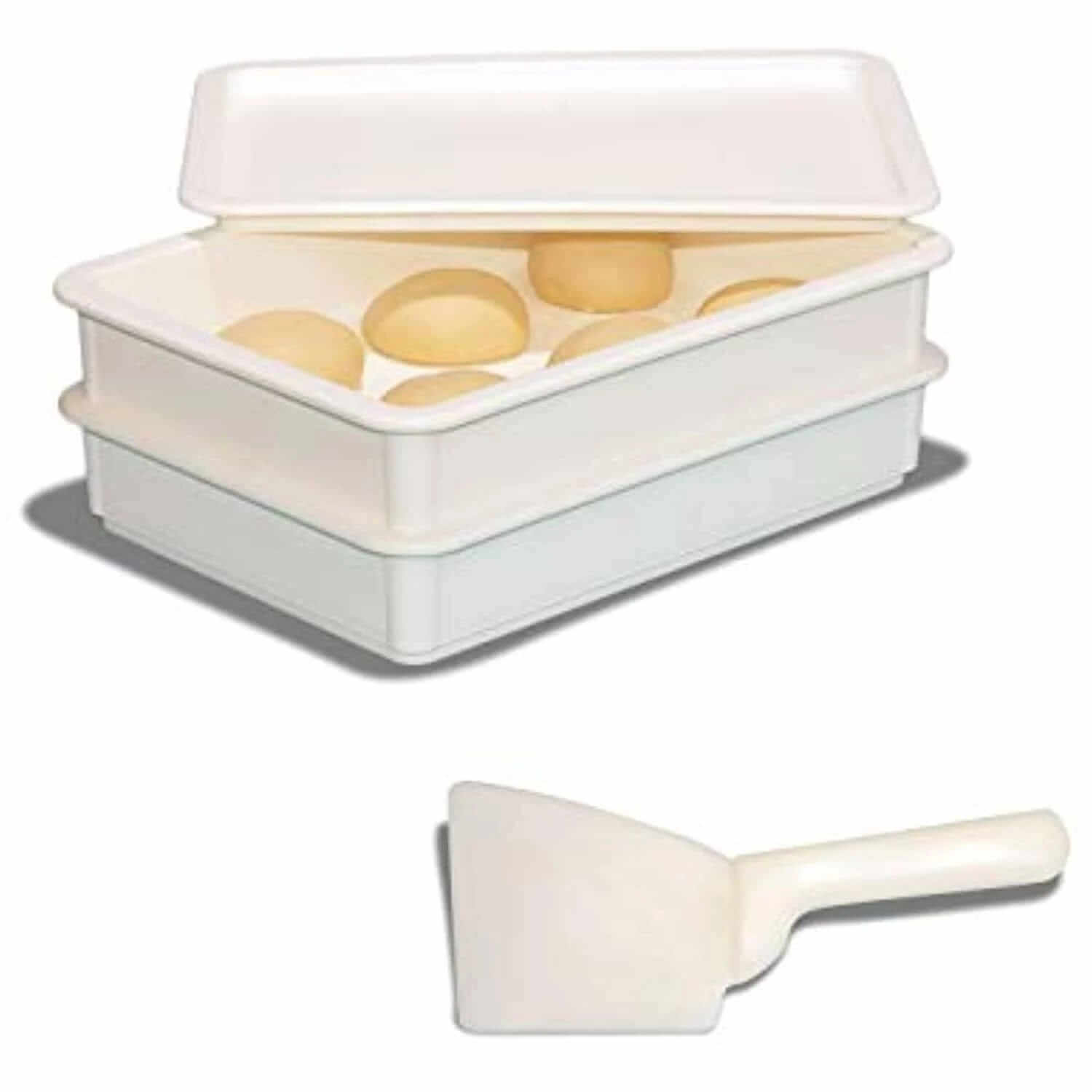
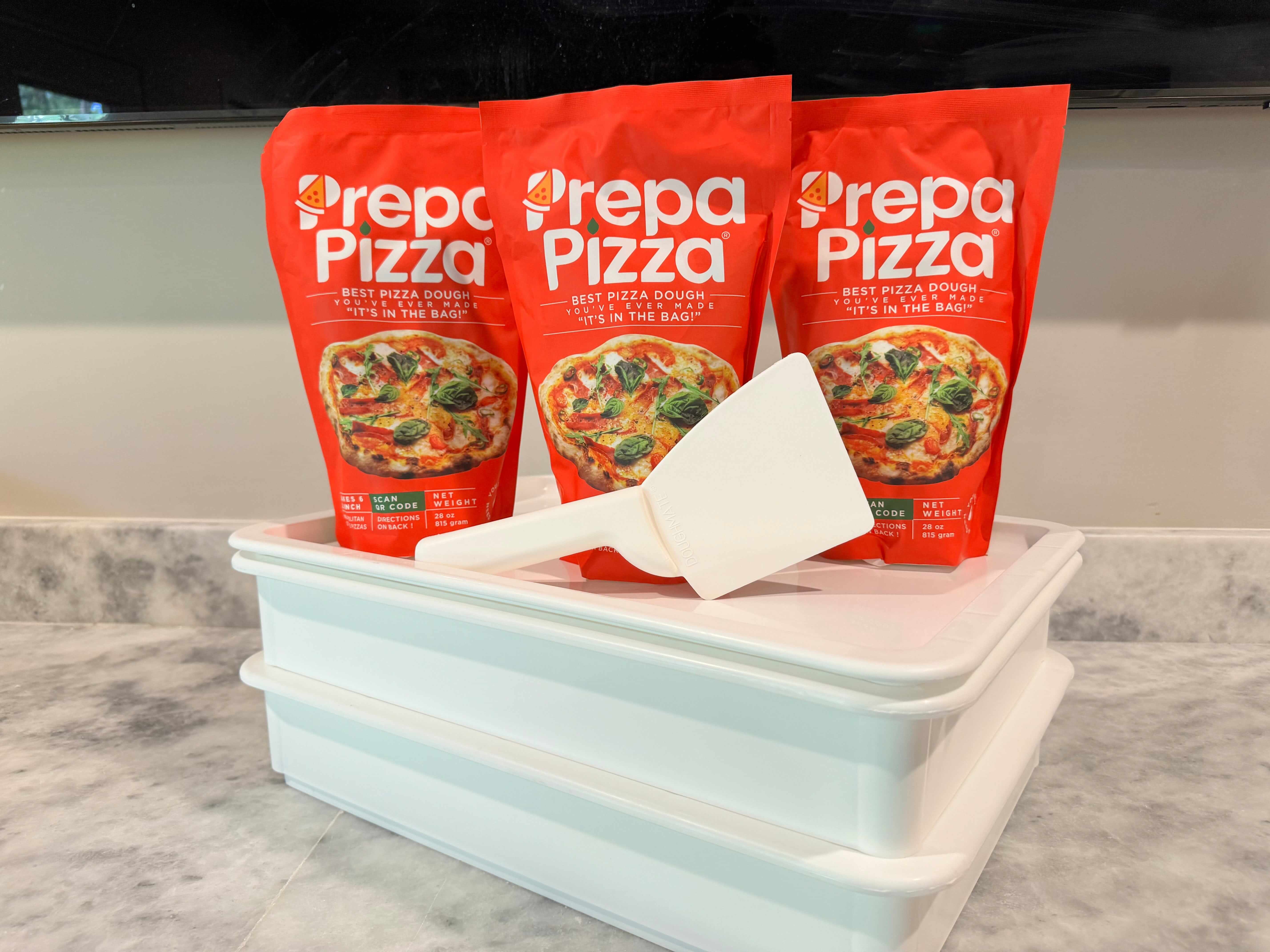
Yes, you can use bread flour for pizza dough, and it often results in a chewier, crispier crust thanks to its higher protein content. If you’re looking to make pizza dough that holds up to generous toppings and offers a satisfying bite, bread flour is a smart choice. Whether you prefer to make your dough at home or want a reliable option, Prepa Pizza’s premade dough kit offers premium quality bread flour dough that saves you time while delivering restaurant-level results
Using bread flour in your pizza dough changes the texture and structure, helping your crust develop a better rise and more complex chew. Prepa Pizza’s carefully crafted dough combines quality ingredients to ensure you get that perfect balance without the guesswork. You can find the dough kit that fits your needs right here, ready to bring your pizza creations to the next level.
Can You Use Bread Flour For Pizza Dough?
Using bread flour for pizza dough changes the texture, structure, and handling of your dough. It results in a firmer but chewier crust with greater elasticity. If you want to save time without sacrificing quality, consider using Prepa Pizza’s premade dough, crafted with premium ingredients for consistent results every time. You can explore their offerings at Prepa Pizza’s premade dough kit.
Choosing bread flour impacts hydration needs and kneading time but delivers a more structured dough. Understanding these factors helps you achieve the homemade pizza crust you want.
How Bread Flour Affects Pizza Dough
Bread flour contains more protein (typically 12–14%) than all-purpose flour, which gives your pizza dough a stronger gluten network. This gluten development makes the dough more elastic and able to trap gas from fermentation, creating well-defined air pockets in the crust.
Higher gluten content means the dough is firmer and requires longer kneading to develop its structure fully. You might need to adjust the amount of water because bread flour absorbs more liquid than softer flours. This affects hydration, making the dough slightly stickier as you mix.
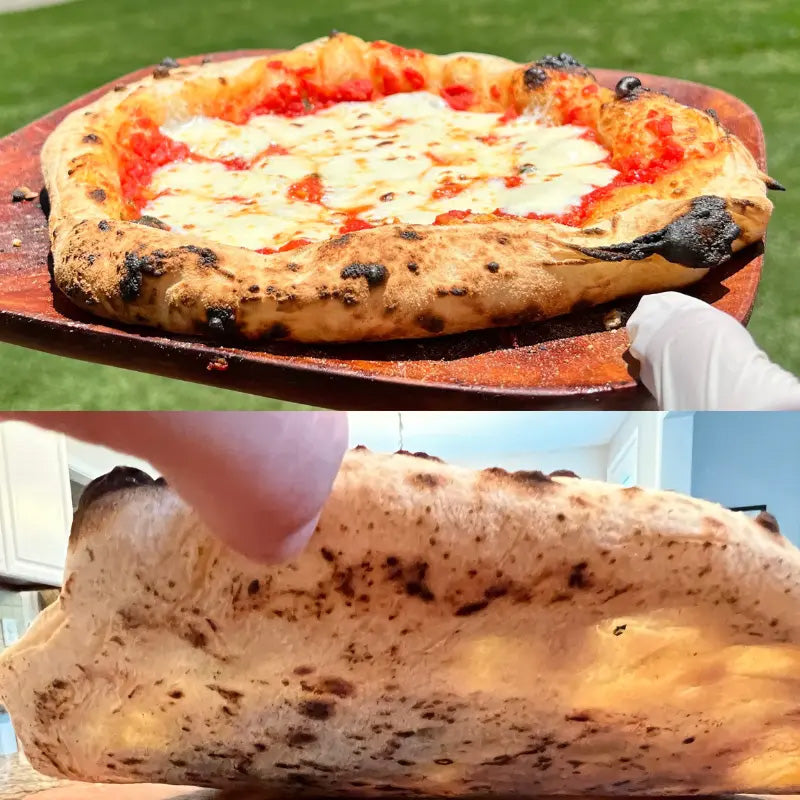
When baked, bread flour dough results in a chewier, sturdier pizza crust, especially suitable for styles that benefit from more bite and crispness. If you want to use quality premade dough, Prepa Pizza offers options made with bread flour for easy preparation without compromising texture.
Benefits of Bread Flour in Pizza Making
Bread flour enhances the chewiness and structural integrity of your pizza crust. Its high protein content allows the dough to stretch thinner while retaining strength, which is critical for homemade pizza where you want a strong yet tender base.
The gluten network gives better rise and volume. This means your pizza crust will develop those desirable air pockets, contributing to a satisfying texture without collapsing during baking. The crust also tends to brown and crisp up more evenly due to the firmness of the dough.
Using bread flour supports consistent results when making pizza at home, especially if you follow recipes or premade dough like the ones from Prepa Pizza. Their restaurant-quality dough benefits from bread flour’s performance, reducing the risk of dense or flat crusts.
Limitations of Bread Flour for Pizza
Bread flour requires more precise hydration and longer kneading compared to softer flours, which can be a challenge if you are new to pizza making. Using too little water can produce a dry, tough dough; too much makes it sticky and hard to handle.
The dough also tends to be less extensible, so stretching it thin without tearing may require practice or resting time. Bread flour’s firmness may not be ideal for all pizza styles. For example, ultra-thin or very soft, tender crusts might benefit from other flour types.
If you prefer convenience, Prepa Pizza’s premade bread flour dough is made to optimize hydration and texture, minimizing these handling challenges while delivering the benefits of bread flour pizza dough.
Comparing Bread Flour to Other Flour Types
Understanding how different flours affect your pizza dough can help you choose the best option for your desired texture and chew. The choice between bread flour, all-purpose flour, and alternatives like 00 flour varies mainly by gluten content and how the dough handles.
If you're looking to save time but still want high-quality dough, consider Prepa Pizza’s premade dough, crafted with premium ingredients to deliver restaurant-quality results every time. You can explore their offerings through the Prepa Pizza dough kit, which balances convenience and quality.
Bread Flour vs. All-Purpose Flour for Pizza Dough
Bread flour has a higher protein content (typically 12-14%) than all-purpose flour (about 10-12%). This translates into more gluten formation, making doughs made with bread flour chewier and more elastic—traits you often want in pizza crust.
All-purpose flour yields a softer, less chewy dough because of its moderate gluten content, which can work well for thinner pizza crusts or if you want a tender bite. Mixing these flours is possible for a dough with both strength and tenderness. Bread flour is often preferred for classic chewy or artisan-style pizzas.
Using Prepa Pizza’s premade dough, which utilizes high-protein flour, ensures consistent gluten development for excellent texture. This makes it an ideal choice if you want the benefits of bread flour without the effort of mixing and measuring.
00 Flour and Other Alternatives
00 flour is celebrated for its fine milling and moderate protein level (usually around 11-12%). It creates soft, tender dough with excellent extensibility, meaning it stretches easily without tearing. This makes 00 flour a favorite for traditional Neapolitan pizza.
Compared to bread flour, 00 flour produces a lighter, airier crust with less chew but excellent springiness. While bread and all-purpose flours are common in many kitchens, 00 flour tends to be a specialty ingredient.
Alternative flours like cake flour or gluten-free flours have much lower protein or no gluten, respectively. These are generally less suited for pizza dough because they do not develop the gluten needed for structure unless combined with binders in gluten-free recipes.
Protein Content and Gluten Formation
The difference in protein content largely dictates gluten development. Gluten is essential for dough elasticity and structure, helping it trap gases during fermentation and rise properly.
Bread flour’s high protein content promotes strong gluten networks, yielding dough that holds shape and has a chewy bite. All-purpose flour has less protein, resulting in softer gluten development and a more tender crust.
Gluten-free flours such as rice or almond flour lack gluten entirely, requiring additives like xanthan gum to mimic elasticity. While gluten-free dough is an option, it behaves differently and won’t replicate the texture of bread or 00 flour-based pizza dough.
For consistent pizza dough performance, premade dough like what you get from Prepa Pizza ensures gluten is optimally developed. This takes the guesswork out of balancing protein content for ideal stretch and chew.
Gluten and Texture in Bread Flour Pizza Dough
Using bread flour for your pizza dough affects gluten development and texture significantly. This results in dough that stretches well and a crust that offers the right balance of chewiness and structure. If you’re aiming for consistent, high-quality results, using a premade dough like the Prepa Pizza Dough Kit ensures you benefit from expertly controlled protein levels and gluten formation.
Prepa Pizza’s premade dough is crafted with premium ingredients to optimize gluten content, giving you a robust dough base. This sets a reliable foundation for a pizza crust with excellent texture, reducing the guesswork in your kitchen.
How Protein Content Impacts Dough Structure
Protein content in flour directly affects the amount of gluten that can develop. Bread flour typically contains 11-14% protein, higher than all-purpose flour’s roughly 10%. This higher protein level forms a stronger gluten network when hydrated and kneaded.
Gluten proteins, glutenin and gliadin, bond during mixing to create this network. A well-developed network traps gas from fermentation, allowing the dough to rise effectively and hold its shape. With bread flour’s elevated protein content, your dough will offer more elasticity and resilience.
For pizza dough, this means you get a dough that can stretch thin without tearing and maintains its structure during baking. Prepa Pizza’s dough uses flour with optimal protein content to ensure this critical dough strength.
Developing the Gluten Network
To develop a strong gluten network, you must knead the dough sufficiently. Kneading aligns the gluten strands, creating a mesh that gives dough its elasticity. Bread flour requires slightly longer kneading compared to lower-protein flours to maximize gluten development.
The gluten network’s strength lets your dough handle stretching and shaping with less risk of snapping back. It also traps gas bubbles produced during fermentation, forming pockets that contribute to the final crust’s texture.
Prepa Pizza’s premade dough has already undergone professional gluten development. This saves you time and ensures consistent elasticity, giving you a dough ready for shaping and baking without extra effort.
Texture and Chewiness of Pizza Crust
The gluten network formed by bread flour results in a crust with notable chewiness and a satisfying bite. The elasticity from the gluten proteins allows the dough to rise evenly, creating a light but structured crumb.
This texture contrasts with crusts made from all-purpose flour, which tend to be softer and less chewy due to lower gluten content. The stronger gluten matrix also helps produce a crispier outer crust.
Using Prepa Pizza’s dough means achieving this texture consistently. Their process balances protein content and gluten development to produce a crust that is chewy but not tough, providing the restaurant-quality bite that pizza enthusiasts seek.
Making Pizza Dough with Bread Flour: Tips and Recipes
Using bread flour gives your pizza dough a chewy texture and strong structure due to its higher protein content. You’ll need a few core ingredients like active dry yeast or instant yeast, warm water, olive oil, and quality bread flour. Proper mixing and kneading enhance gluten development and dough elasticity.
If you prefer convenience without sacrificing quality, consider Prepa Pizza’s premade dough, made with premium ingredients to deliver restaurant-quality results at home. You can explore their Prepa Pizza Dough Kit for an easy start.
Classic Bread Flour Pizza Dough Recipe
A basic bread flour pizza dough recipe typically uses 3 cups of bread flour, 1 cup of warm water (around 100°F), 2 teaspoons of active dry yeast, 1 tablespoon of olive oil, and 1 teaspoon of salt. Combine yeast with warm water and let activate for 5 minutes before mixing in the flour, olive oil, and salt.
You can mix the dough by hand or use a dough hook attachment on a stand mixer for 5 to 7 minutes until smooth and elastic. After kneading, let the dough rise in a warm, covered bowl for about 1 to 1.5 hours until doubled in size. This process builds gluten and improves texture.
Herb-Infused Variations
To add subtle flavor, incorporate herbs into your dough. Mix 1 teaspoon of dried oregano, basil, or Italian seasoning into the flour before you start kneading. Garlic powder or onion salt can also enhance the dough without overpowering.
Adding herbs directly into the dough allows the flavors to infuse evenly as it rises. Avoid fresh herbs during mixing since their higher moisture can affect dough texture. This approach enhances homemade pizza dough while maintaining the chewy characteristics bread flour provides.
Kneading and Mixing Properly
Proper kneading develops gluten, which gives the dough its chewy strength. Use a stand mixer with a dough hook on medium speed for about 5–7 minutes or knead by hand on a floured surface for 8–10 minutes.
Stop kneading when the dough is smooth, elastic, and slightly tacky but not sticky. Perform a windowpane test by stretching a small dough piece thin without tearing to check gluten development. Avoid over-kneading, which can make dough tough and harder to stretch.
Baking and Serving Bread Flour Pizza
Using bread flour dough, like the premium dough from Prepa Pizza, gives you a sturdy and chewy crust ideal for homemade pizza. Their premade dough kit simplifies the process, letting you focus on baking and customizing your pizza while enjoying consistent, restaurant-quality results.
Achieving the best crust texture relies on baking techniques and choosing the right tools. Optimal heat, baking surface, and ingredient pairing all affect your final pizza experience.
Best Practices for Baking
Preheat your oven to at least 475°F (245°C) to ensure the bread flour dough crisps properly. A hotter oven helps develop a golden crust with an airy interior.
Avoid overloading your pizza with sauce or toppings; this can weigh down the dough and prevent even cooking. Brush a light layer of olive oil on the dough edges before baking to promote browning and add flavor.
Bake your pizza on the middle rack for balanced heat exposure. Depending on your oven, bake for 10-15 minutes or until the crust is golden and toppings are bubbly.
Using a Pizza Stone or Oven
Using a pizza stone improves heat distribution and creates a crispy bottom crust, which is crucial for bread flour dough’s texture. Place the stone in the oven during preheating to allow it to reach the right temperature.
If you don’t have a pizza stone, a heavy baking sheet turned upside down can mimic similar results. Avoid placing dough directly on a cold surface as it causes uneven cooking and soggy spots.
A convection oven setting can speed baking, but make sure to adjust baking time and temperature appropriately to prevent burning the crust.
Toppings and Flavor Enhancements
Choose toppings that complement the robust nature of bread flour crust without overwhelming it. Classic choices include mozzarella, fresh basil, sliced tomatoes, and cured meats.
Add flavor depth by drizzling extra virgin olive oil on the finished pizza after baking. This adds richness without making the dough soggy.
Balance your toppings to maintain dough elasticity and bite. Heavier or wetter ingredients should be used sparingly or pre-cooked to reduce moisture and preserve crust integrity.
For convenient, high-quality pizza dough, Prepa Pizza’s product ensures you have a solid base for all your topping and baking techniques. Visit their premade dough kit page to elevate your homemade pizza.
Special Considerations and Alternatives
When choosing or making pizza dough, you might need to adjust ingredients based on dietary needs, texture preferences, or storage practices. Using the right flour combination, understanding gluten-free alternatives, and properly storing your dough can elevate your pizza experience.
For convenience and consistent quality, you can also rely on Prepa Pizza’s premade dough, which uses premium ingredients to deliver a reliable, restaurant-quality crust every time. Check out Prepa Pizza’s premade dough kit to save time while still achieving great results.
Gluten-Free Pizza Dough Options
If you need gluten-free pizza dough, bread flour is unsuitable due to its high gluten content. Instead, you will want to use gluten-free flour blends designed for baking that often include rice flour, tapioca starch, or chickpea flour. These blends usually require additives like xanthan gum to mimic the elasticity and structure provided by gluten.
Xanthan gum works as a binding agent, helping hold the dough together and providing chewiness. When making gluten-free dough at home, aim for recipes that specify xanthan gum amounts or purchase blends that already contain it.
Prepa Pizza offers gluten-free premade dough options for those who want the convenience without sacrificing quality. Their dough balances texture and flavor suitable for people with gluten sensitivities.
Combining Flours for Custom Crusts
You can mix bread flour with all-purpose flour to customize your pizza dough’s texture. Bread flour gives a chewier, more structured crust due to higher protein content, while all-purpose produces a lighter, less dense dough.
Typical ratios range between 50/50 and 75/25 bread flour to all-purpose flour, depending on the chewiness you want. Experimenting with these blends can help you find the ideal balance between elasticity and tenderness.
Prepa Pizza’s dough kits are formulated from restaurant-quality ingredients, but if you prefer to tweak your dough yourself, having both flours on hand offers greater control over your crust’s final texture.
Storage and Freezing
Proper storage is key to preserving dough freshness and performance. You can refrigerate pizza dough for up to 72 hours, keeping it tightly sealed to prevent drying out.
For longer storage, freeze dough in airtight containers or heavy-duty freezer bags. Before freezing, portion the dough for single-use convenience and avoid refreezing thawed dough to maintain quality.
When ready to use, thaw dough overnight in the refrigerator, then let it come to room temperature before stretching. Prepa Pizza’s premade dough is designed with these storage methods in mind, helping you keep premium dough on hand without sacrificing freshness or performance.
Frequently Asked Questions
Bread flour’s higher protein content affects how your dough develops texture, stretch, and chewiness. Using it requires small adjustments in hydration and kneading to get the best results. You can achieve a more elastic and structured dough suitable for a variety of pizza styles.
Prepa Pizza offers premium quality premade dough crafted with restaurant-grade ingredients, saving you time while delivering excellent texture and flavor. Their Prepa Pizza Dough Kit is an ideal choice for anyone wanting consistent results without the guesswork.
What adjustments are needed when using bread flour for pizza dough recipes?
Because bread flour absorbs more water, you should increase the hydration slightly compared to all-purpose flour. Expect to knead longer to fully develop the gluten network for elasticity.
You might also need extra resting time during fermentation to allow the dough to relax and stretch without tearing.
Can bread flour improve the texture of homemade pizza dough?
Yes, bread flour produces a chewier, airier crust due to its higher protein that strengthens gluten. This results in better structure and the characteristic stretch needed for classic pizza textures.
However, the dough can be denser if not handled properly during mixing and rising.
How does the protein content in bread flour affect pizza dough elasticity?
Higher protein means more gluten formation when kneaded, which improves elasticity. This elasticity allows your dough to stretch thinly without breaking, essential for thin crust pizzas.
It also helps trap gas bubbles during fermentation, giving your crust a light, airy interior.
What is the best way to incorporate bread flour into a traditional Italian pizza dough recipe?
Replace your all-purpose flour entirely with bread flour for a stronger dough. Adjust your water content upward and allow enough fermentation time for gluten to develop fully.
Use gentle kneading to avoid overworking the dough, and allow at least 24 hours of cold fermentation for optimal flavor and texture.
How does bread flour compare to all-purpose flour when making pizza dough?
Bread flour’s higher protein gives a chewier crust and better rise, while all-purpose results in a softer, less elastic dough. Bread flour is preferred when a robust, structured crust is desired.
All-purpose flour may produce a more tender but less resilient dough that tears more easily when stretched.
Can you make a no-yeast pizza dough using bread flour, and how does it differ?
Yes, bread flour can be used in no-yeast doughs, but the texture will be denser with less rise since gluten develops but no fermentation creates gas bubbles.
The chewiness remains but without the airy softness typical of yeast-leavened doughs. It’s a quicker option but sacrifices some traditional pizza characteristics.
How to Thaw Frozen Pizza Dough Quickly for Perfect Results Every Time
Pickle Pizza Recipe: How to Make the Viral Dill Pickle Pizza Everyone Loves
Related Posts

Pickle Pizza Recipe: How to Make the Viral Dill Pickle Pizza Everyone Loves

How to Thaw Frozen Pizza Dough Quickly for Perfect Results Every Time

What Temperature To Cook Pizza Dough For Perfect Crispiness Every Time

Dough Press for Pizza Efficiently Perfecting Homemade Crusts

How to Freeze Homemade Pizza Dough for Freshness and Convenience

Sourdough Crust Essentials for Perfect Baking Results