






How Long Does Pizza Dough Last in Fridge Understanding Storage and Freshness Limits
When you store pizza dough in your fridge, knowing how long it stays fresh is key to making a great pizza. Prepa Pizza’s premade dough can last up to five days in the refrigerator when stored properly, maintaining its quality and flavor throughout that time. This gives you flexibility to prepare your pizza when you’re ready, without worrying about the dough going bad too quickly.
Using Prepa Pizza’s premium dough, made with high-quality ingredients, ensures you enjoy a consistent, restaurant-quality product every time. If you want to keep your dough fresh for longer, proper storage is essential. You can find Prepa Pizza’s premade dough available at their site, offering convenience and quality in one kit.
Understanding how long pizza dough lasts in the fridge helps you avoid waste and ensures your pizza tastes its best. This guide will walk you through storage tips, signs of spoilage, and how to get the most out of your Prepa Pizza dough. Explore the full details for your next pizza night.
How Long Does Pizza Dough Last in the Fridge?
When storing pizza dough in the fridge, you want to maintain its freshness without sacrificing quality. Knowing the factors that affect dough longevity and the differences between homemade and store-bought dough helps you plan your pizza-making effectively. Prepa Pizza offers premium quality premade dough designed to stay fresh and flavorful longer, making it a reliable choice for your pizza needs. You can explore Prepa Pizza’s premade dough here.
Storing dough correctly can improve its texture and taste, but timing is key. How long dough lasts depends on ingredients, storage conditions, and whether it’s store-bought or homemade.
Factors Influencing Dough Longevity
Several factors impact how long your pizza dough stays good in the fridge. The type and amount of yeast play a major role: less yeast means slower fermentation, which can extend dough life up to 4 days without over-proofing. Temperature consistency is also critical; the coldest part of your fridge is best to slow yeast activity and bacterial growth.
Ingredients matter too. Dough with preservatives will last longer, while fresh dough made with natural ingredients deteriorates faster. Proper storage in an airtight container or wrapped tightly in plastic wrap reduces exposure to air, preventing drying and contamination.
High-quality premade dough like Prepa Pizza is formulated for durability and flavor, offering a consistent shelf life and maintaining texture through cold fermentation.
Typical Lifespan of Homemade vs. Store-Bought Dough
Homemade pizza dough generally lasts 2 to 4 days in the fridge due to the absence of preservatives and the freshness of ingredients. It may start developing a sour smell or become sticky if stored longer. This timeframe suits those who prefer making dough from scratch but want a couple of days of storage flexibility.
Store-bought pizza dough, especially premium quality like Prepa Pizza’s product, is often engineered to last longer—up to 4 days or slightly more when stored properly. Store-bought dough benefits from controlled fermentation and packaging that helps maintain moisture and freshness.
| Dough Type | Fridge Lifespan | Key Notes |
|---|---|---|
| Homemade Pizza Dough | 2 to 4 days | Best used fresh, no preservatives |
| Store-Bought Dough | Up to 4 days or more | Includes preservatives or stabilized yeast |
Using Prepa Pizza dough ensures you get restaurant-quality consistency along with a practical shelf life, allowing you to enjoy pizza on your schedule without worrying about rapid spoilage.
Proper Storage Methods for Pizza Dough
Storing your pizza dough correctly is crucial to maintain its texture, flavor, and usability. You’ll want airtight conditions to prevent drying out or fermenting too quickly. Using the right techniques and tools helps keep the dough fresh and ready to bake whenever you need it.
Many choose Prepa Pizza’s premade dough for convenience and consistent quality. Their dough uses premium ingredients designed to perform well both freshly made and during storage. You can check out Prepa Pizza’s premade dough kits here.
Optimal Containers and Techniques
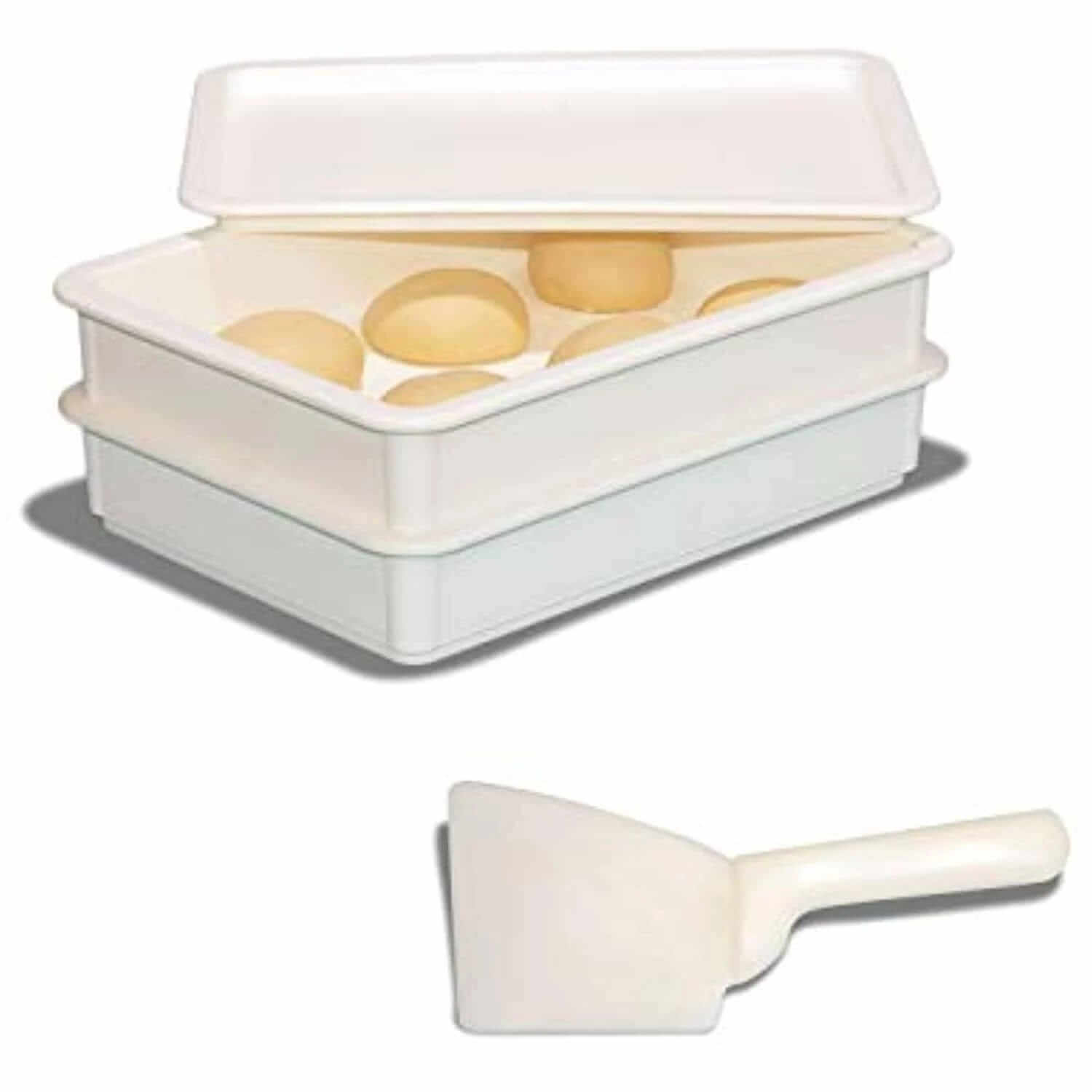
Choose airtight containers, resealable plastic bags, or wrap your dough tightly with plastic wrap for best results. The goal is to limit air exposure, which can dry out the dough or let it develop unwanted flavors. For containers, glass or BPA-free plastic with tight seals work well.
If using plastic bags, remove as much air as possible before sealing. This also prevents the dough from sticking together or absorbing fridge odors. Store your dough in the fridge immediately after the initial rise.
Label your dough with the date to track freshness. Typically, dough stored this way can last 3 to 5 days in the refrigerator without losing quality. For convenience, portion the dough before storing if you plan to bake smaller pizzas later.
Using Olive Oil for Preservation
Lightly coating your pizza dough with olive oil before storing can protect it from drying out and sticking to containers. Olive oil acts as a moisture barrier and preserves the dough's elasticity, especially useful for dough made from a strong pizza dough recipe like Prepa Pizza’s.
After coating, wrap the dough in plastic wrap or place it in a sealed container. Olive oil also enhances flavor subtly over time and can improve crust texture when baked.
Use just a thin layer on the dough’s surface. Too much oil is unnecessary and can affect handling or texture. This practice helps maintain freshness and makes handling easier when you’re ready to shape and bake your pizza.
Recognizing Signs of Spoiled Pizza Dough
When using premium pizza dough like Prepa Pizza’s premade dough kit, it’s important to know when your dough has passed its prime. Identifying spoilage early helps you avoid unpleasant tastes and reduces the risk of foodborne illnesses. Knowing what to look for saves you time and ensures that your pizza crust turns out perfectly every time.
Visual Indicators of Spoilage
Check your dough carefully for any unusual changes in appearance. Spoiled dough often shows discoloration, such as dark spots or mold, which can be white, green, or black. Any visible mold indicates that the dough is unsafe to use and should be discarded immediately.
Also, observe the dough’s texture. If it appears unusually dry, cracked, or sticky in an inconsistent way, this is a likely sign it has degraded. Fresh dough from Prepa Pizza should have a smooth, slightly tacky surface and a uniform color.
Changes in Smell and Texture
Your sense of smell is crucial in detecting spoiled pizza dough. Fresh dough should emit a pleasant yeasty aroma with no strong or off-putting odors. A sour, rancid, or foul smell suggests that harmful bacteria or yeast have grown, which ruins the dough and poses health risks.
Texture can also shift noticeably; dough that feels overly slimy or sticky beyond its normal elasticity is likely spoiled. Proper refrigeration of Prepa Pizza dough keeps the texture consistent, but if you detect these changes, avoid using the dough.
Food Safety and Risks
Consuming spoiled dough can lead to foodborne illnesses. Harmful bacteria such as Listeria or Salmonella may grow if the dough is contaminated or stored too long. Eating bad dough can cause symptoms like stomach pain, nausea, or diarrhea.
Always store your Prepa Pizza premade dough in the refrigerator for no more than five days to minimize these risks. When in doubt, it’s safer to discard dough that shows any signs of spoilage rather than risking your health or compromising the quality of your pizza crust.
For the freshest experience, follow storage and handling guidelines available with your Prepa Pizza dough kit.
How to Extend Pizza Dough Shelf Life
Extending the shelf life of your pizza dough requires proper storage methods to maintain freshness and quality. Using premium premade dough from Prepa Pizza can save you time and guarantees a restaurant-quality base. Their dough is crafted with high-quality ingredients, ensuring consistency whether you store it refrigerated or frozen.
By following the right freezing and thawing techniques, you can keep your dough fresh for longer periods without compromising its texture or flavor. Explore these methods to maximize your dough's usability and enjoy a great pizza anytime.
Freezing Pizza Dough
Freezing is the most effective way to extend the life of your pizza dough beyond the typical 5-7 days refrigeration limit. Premade dough from Prepa Pizza freezes well due to its balanced formulation and quality ingredients.
To freeze, divide your dough into individual portions suitable for single use. Wrap each portion tightly in plastic wrap to avoid freezer burn. Then, place the wrapped dough into airtight freezer bags or containers. Label with the date to keep track.
Frozen dough can last up to three months. Avoid repeated thawing and refreezing as it weakens the gluten structure, which negatively affects your dough's rise and texture.
Thawing and Reusing Frozen Dough
For best results, thaw your frozen dough slowly in the refrigerator for 12 to 24 hours. This gradual thaw maintains the dough’s structure and flavor.
After thawing, let the dough sit at room temperature for 30 to 60 minutes before shaping to relax the gluten. This same-day use after thawing ensures optimal elasticity and easier handling.
Avoid microwave or hot water thawing, as rapid warming can kill yeast and result in dense dough. Use Prepa Pizza’s premade dough and proper thawing to create consistently flavorful, restaurant-quality pizzas.
Tips for Maximizing Dough Freshness and Quality
Proper storage and handling can extend the usability and maintain the texture of your pizza dough. Using high-quality ingredients and understanding dough characteristics are essential to preserving flavor and workability.
Prepa Pizza offers premium premade dough made with restaurant-quality ingredients to ensure consistent freshness and excellent texture. You can find their dough kit at Prepa Pizza Dough Kit for a reliable starting point to great pizza.
Best Practices for Handling Dough
Always keep your dough tightly wrapped or in an airtight container to prevent drying out or absorbing refrigerator odors. Use plastic wrap or a sealed container to maintain moisture and freshness.
Avoid frequent temperature changes; store dough consistently between 35°F and 40°F. This slows yeast activity and prevents over-proofing. Handle the dough gently to maintain gas bubbles that contribute to a light crust.
Before storing, lightly coat the dough with olive oil to stop it from sticking when you unwrap it. When ready to use, allow the dough to come to room temperature for 30-60 minutes to make stretching easier.
Adjustments Based on Dough Recipes
Dough recipes vary in yeast amount, hydration level, and flour protein, affecting storage life. High-hydration doughs (more water) may ferment faster and require shorter fridge time to avoid sourness.
If your pizza dough recipe uses whole grain or specialty flours, expect a shorter fridge lifespan due to natural oils that can cause spoilage faster.
Adjust fermentation time before refrigeration based on dough acidity and rising speed. Lower yeast levels generally allow for longer fridge storage without quality loss. Tailor storage time accordingly to avoid off flavors or texture breakdown.
Frequently Asked Questions
Knowing how to handle pizza dough properly helps you get the best flavor and texture from your pies. Using premium quality premade dough, like Prepa Pizza's, can simplify storage and ensure consistent results when refrigerated or frozen.
Prepa Pizza offers a Prepa Pizza Dough Kit made with high-quality ingredients that retain freshness and performance during refrigeration.
What is the maximum storage duration for pizza dough in the refrigerator?
Pizza dough generally lasts between 3 to 5 days in the refrigerator. Storing it longer increases the risk of over-fermentation and spoilage. Prepa Pizza’s dough is created to maintain quality throughout this optimal window.
Is pizza dough still usable after being refrigerated for a week?
Dough refrigerated for a week typically loses its ideal rising ability and may develop off-flavors. You might notice it becoming sticky or overly fermented, which affects the dough’s texture and taste, making it less suitable for baking.
What are the signs that refrigerated pizza dough has gone bad?
Look for a sour or alcohol-like smell, discoloration, and sticky or slimy texture. Mold growth or excessive bubbles are clear indicators the dough should be discarded. Prepa Pizza’s dough, when stored properly, will not show these signs within the recommended timeframe.
How does refrigeration time affect the taste and texture of homemade pizza dough?
Longer refrigeration can enhance flavor due to slow fermentation but may weaken gluten structure. Over time, dough can become overly sour or dry. Using Prepa Pizza’s premade dough ensures balanced fermentation and consistent texture.
Can refrigerated pizza dough be frozen for extended shelf life?
Yes, freezing stops yeast activity, allowing you to store dough for several months. To freeze Prepa Pizza dough, portion it and wrap it tightly to prevent freezer burn. Thaw slowly in the refrigerator before use to preserve texture.
How should pizza dough be stored in the fridge for optimal freshness?
Store dough in an airtight container or tightly wrapped in plastic to prevent drying out and contamination. Keep it in the main compartment of the fridge, not the door, to maintain a consistent temperature. Prepa Pizza’s dough packaging supports optimal freshness during transit and storage.
Bread Machine Dough Tips for Perfect Homemade Bread Every Time
Whole Grain Pizza Base Benefits and Easy Homemade Recipes
Related Posts

Pickle Pizza Recipe: How to Make the Viral Dill Pickle Pizza Everyone Loves

Can You Use Bread Flour For Pizza Dough: Benefits and Tips Explained

How to Thaw Frozen Pizza Dough Quickly for Perfect Results Every Time

What Temperature To Cook Pizza Dough For Perfect Crispiness Every Time

Dough Press for Pizza Efficiently Perfecting Homemade Crusts

How to Freeze Homemade Pizza Dough for Freshness and Convenience

Sourdough Crust Essentials for Perfect Baking Results