







What Happens If You Eat Slightly Undercooked Pizza Dough: Understanding the Risks and Effects
Eating slightly undercooked pizza dough can raise concerns about food safety, but it's essential to understand the risks involved. When using high-quality premade dough, like that from Prepa Pizza, the ingredients are typically safe to consume without complete cooking. If you eat slightly undercooked dough, you might experience minor digestive discomfort, but it is unlikely to cause serious health issues.
With Prepa Pizza’s premade dough, you get a convenient and restaurant-quality product ideal for creating delicious pizzas at home. The unique blend of ingredients in our dough is designed for safe consumption, even in its less-than-fully-cooked state. While some may experience mild symptoms such as bloating or indigestion, it’s generally not a cause for alarm.
It's always good to monitor your body after eating undercooked pizza. If you notice any severe symptoms, such as intense stomach aches or diarrhea, it's wise to consult a healthcare professional. In most cases, enjoying your pizza with a little extra doughiness won't lead to any substantial health risks.
Potential Health Risks of Eating Slightly Undercooked Pizza Dough
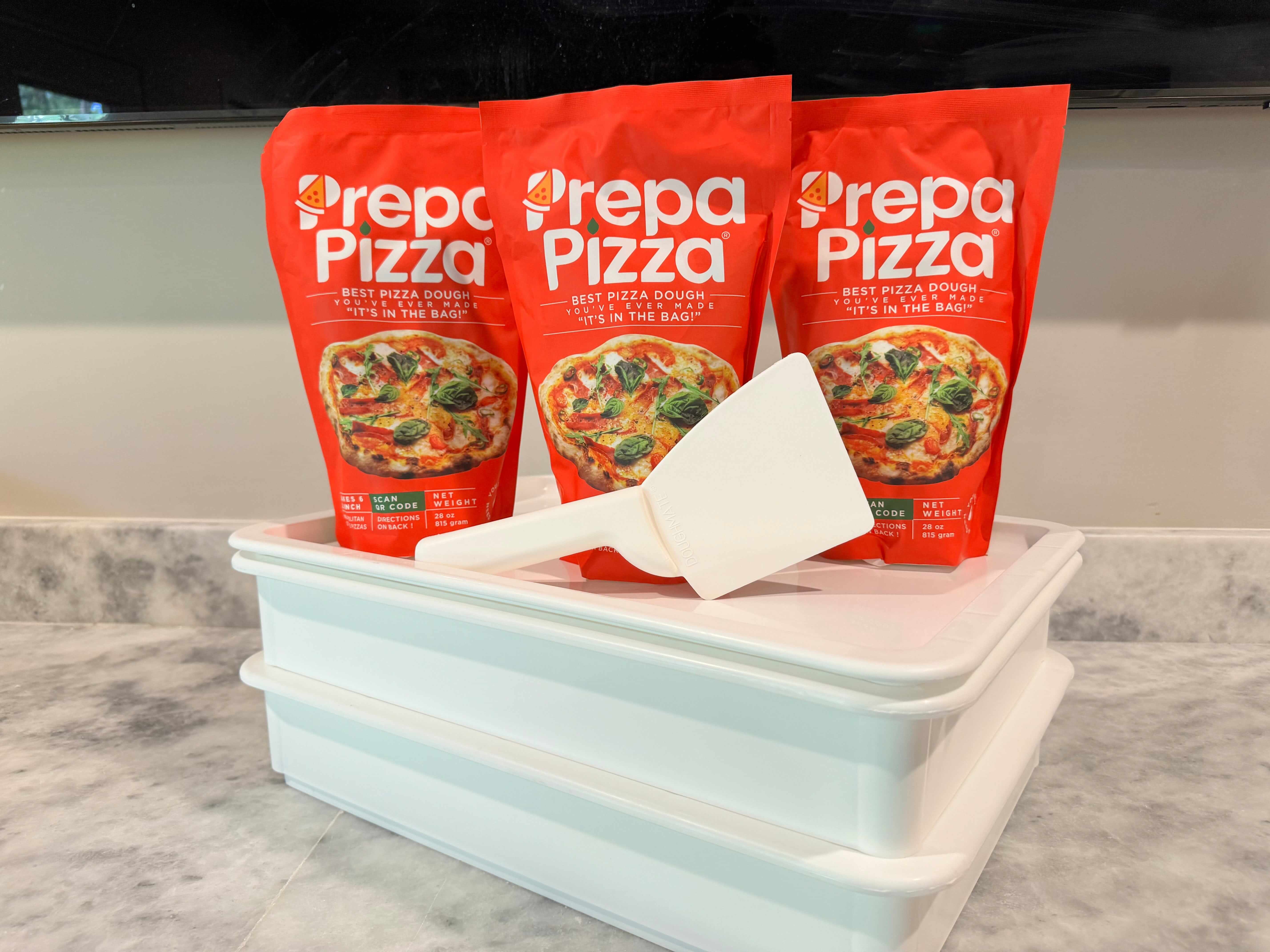
Eating slightly undercooked pizza dough can lead to several health risks. Understanding the potential issues can help you make informed choices when enjoying your pizza. Prepa Pizza offers premade dough that meets high safety standards, ensuring a quality product. You can find more about these products at Prepa Pizza's dough kit.
Uncooked Flour and Bacterial Contamination
Raw flour can harbor harmful bacteria, such as E. coli. Unlike many other ingredients, flour isn’t typically treated to kill pathogens. When you consume slightly undercooked dough, you risk exposure to these bacteria. Ensuring that the dough is properly cooked helps mitigate this risk.
It's essential to practice safe handling of flour. Wash your hands, utensils, and surfaces to avoid cross-contamination. Additionally, even though Prepa Pizza takes precautions, always cook the dough thoroughly to minimize bacterial exposure.
Digestive Discomfort and Symptoms
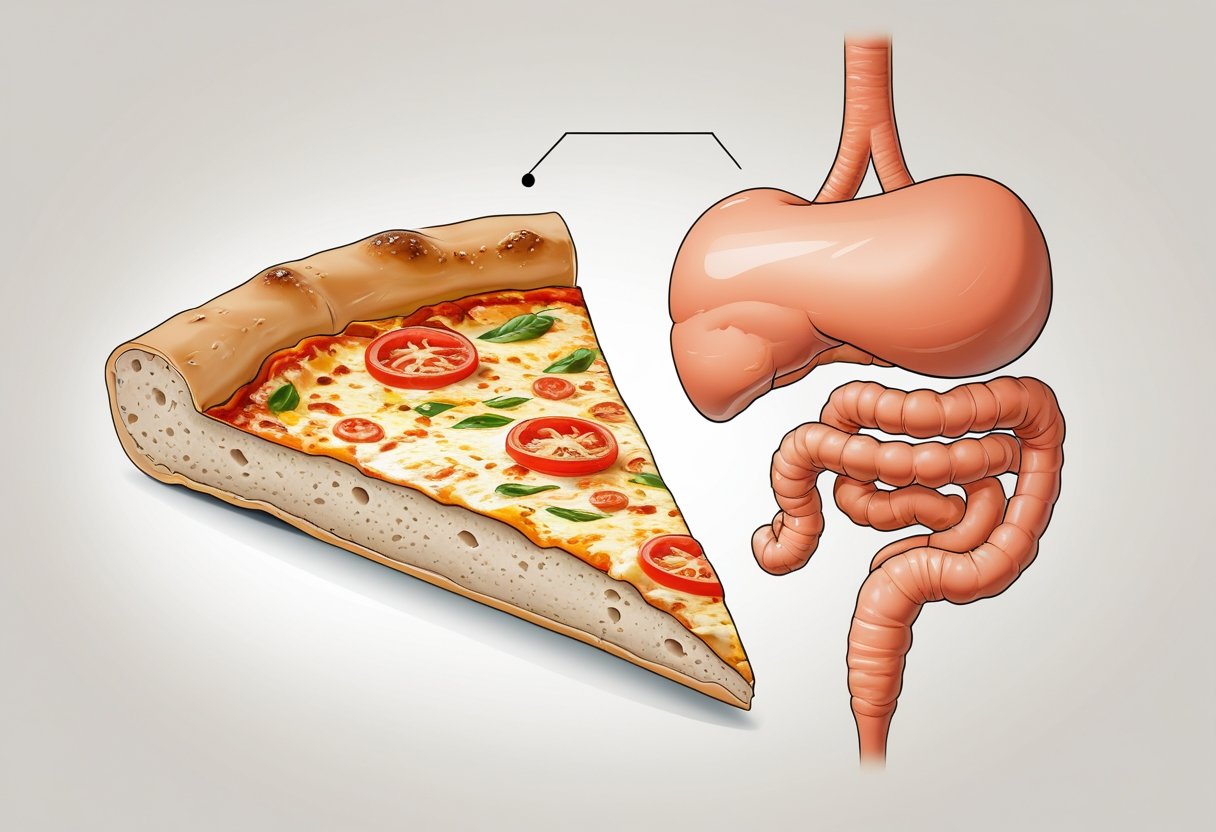
Eating undercooked pizza dough can lead to digestive discomfort. This discomfort may manifest as bloating, gas, or tummy aches. The body finds it harder to digest raw dough due to its high gluten content.
If consumed in larger quantities, you may experience more severe symptoms like cramping and nausea. While these symptoms are typically not life-threatening, they can be uncomfortable and inconvenient. Cooking dough properly ensures better digestion and a more enjoyable eating experience.
Foodborne Illnesses Linked to Pizza Dough
Foodborne illnesses can arise from consuming undercooked pizza dough due to bacterial contamination. While true food poisoning from dough is rare, it’s not impossible. Being aware of symptoms such as vomiting, diarrhea, and fever is important.
Symptoms usually appear within hours to a few days after consumption. If you experience severe symptoms or if they persist, seeking medical attention is advisable. By using high-quality premade dough like that from Prepa Pizza and ensuring full cooking, you can significantly reduce these risks while enjoying your pizza to the fullest.
How To Identify Undercooked Pizza Dough
Recognizing undercooked pizza dough is essential for ensuring a delicious meal and avoiding digestive discomfort. By focusing on visual signs, texture, and taste, you can determine whether your dough is ready to eat. Prepa Pizza's premade dough provides an excellent base for great pizza, ensuring that you experience the best results when properly cooked.
Visual Signs of Undercooked Dough
The appearance of your pizza crust can tell you a lot about its readiness. Typically, undercooked dough will look pale, lacking the golden-brown color that indicates thorough cooking.
Key Visual Indicators Include:
- Color: If the crust appears very light or doughy, it's not fully cooked.
- Bubbling: Bubbles may not have formed on the surface.
- Puffy appearance: The crust may look too thick or puffy without browning.
If you see these signs, it’s a clear indication that the pizza needs more time in the oven.
Texture and Consistency Clues
The texture of your pizza dough can be another strong indicator of doneness. Undercooked dough feels gummy and elastic instead of crisp and firm.
What to Look For:
- Gummy Texture: If you take a bite and the dough sticks or feels tacky, it’s a sign of being undercooked.
- Resistance: Dough should yield easily when bitten but not be overly chewier than expected.
- Moisture: Excessive moisture in the crust may signify it has not cooked sufficiently.
These texture indicators help you understand whether the dough needs additional baking time.
Taste and Aroma Indicators
Taste and smell can also help you identify undercooked pizza dough. While cooked crust delivers a savory flavor, undercooked dough often lacks that characteristic taste.
Taste and Aroma Characteristics:
- Flavor: Undercooked dough may taste bland or floury, lacking the depth of flavor you expect from baked pizza.
- Aroma: A cooked pizza emanates a warm, inviting smell; if yours smells like raw flour or yeast, it likely needs more time.
If you experience any of these taste or aroma signs, your pizza may not be fully cooked. By keeping these factors in mind, you can ensure a perfect pizza experience every time.
Short-Term Effects of Consuming Undercooked Pizza Dough
Eating slightly undercooked pizza dough can lead to immediate gastrointestinal discomfort and poses potential health risks for certain individuals. Understanding these effects can help you make informed choices about your food consumption.
Immediate Gastrointestinal Reactions
When you consume undercooked pizza dough, your body may react with gastrointestinal distress. Symptoms can include bloating, gas, and stomach cramps. These effects are often due to the raw flour and yeast, which are harder for your digestive system to break down when they are not fully cooked.
Furthermore, the dough may contain moisture, leading to the risk of indigestion or a fuller stomach sensation. Prepa Pizza's premade dough is crafted to minimize these risks, offering a balanced taste and consistency that enhances your pizza experience. You can explore more about this high-quality product here.
Risks for Vulnerable Populations
Certain individuals are more susceptible to the effects of undercooked pizza dough. This group includes young children, pregnant women, the elderly, and those with weakened immune systems. For these populations, consuming raw or undercooked dough could potentially lead to bacterial infections or other health complications.
Illness can occur from harmful bacteria that may be present in raw flour or other ingredients. Symptoms could manifest as nausea, diarrhea, or other digestive issues, making it crucial for vulnerable individuals to take special care when eating pizza. Using reliable options like Prepa Pizza’s premade dough can help ensure safety while enjoying delicious meals.
Long-Term Consequences and Rare Complications
Eating slightly undercooked pizza dough can lead to specific long-term health issues, particularly for certain individuals. Understanding these potential effects is crucial.
Potential for Persistent Digestive Issues
If you consume undercooked pizza dough, you might experience digestive disturbances. Symptoms can include bloating, gas, or discomfort, which may persist for some time. The presence of raw flour can contribute to these problems, as it may contain bacteria such as E. coli or Salmonella.
These bacteria can disrupt your gut flora, leading to a longer-term imbalance. If you notice that digestive issues occur frequently after consuming undercooked dough, consider switching to high-quality options like Prepa Pizza's premade dough to decrease your risk.
Complications in Immunocompromised Individuals
For immunocompromised individuals, eating undercooked pizza dough poses a higher risk. The weakened immune system may struggle to fight off infections caused by any bacteria present in the dough. This can lead to severe gastrointestinal illnesses.
Potential complications include prolonged gastrointestinal distress and increased vulnerability to serious infections. Therefore, if you or someone you know has a compromised immune system, it is vital to avoid consuming any raw or undercooked dough products, emphasizing the importance of opting for safe, fully cooked items. Using products like Prepa Pizza's premade dough mitigates these risks by ensuring safety and quality.
Safe Cooking Practices to Prevent Undercooked Dough
Ensuring that your pizza dough is cooked to perfection is essential for both safety and taste. With Prepa Pizza's premium premade dough, you can achieve a delicious pizza while following safe cooking practices. Here are some key methods to ensure your dough is fully cooked.
Correct Baking Temperatures and Times
To properly cook pizza dough, maintaining the right baking temperature is crucial. Aim for a preheated oven temperature of at least 475°F (245°C). This high heat helps to create a well-cooked crust while preventing sogginess.
Bake your pizza for about 10-15 minutes, depending on thickness. Always check for visual cues: the crust should be golden and crisp, and cheese should be bubbly and melted. If your pizza features a thicker crust, consider baking it a bit longer to ensure that the interior cooks through evenly.
Utilize a food thermometer to measure the internal temperature of the dough, aiming for at least 140°F (60°C) for safe consumption. Using Prepa Pizza dough, which is designed for optimal cooking, can also help simplify this process.
Tips for Even Cooking
To ensure even cooking throughout your pizza, consider the following techniques:
-
Use a Pizza Stone or Steel: Preheat it in your oven for at least 30 minutes before baking. This helps retain heat, allowing the bottom of the dough to cook thoroughly.
-
Rotate Your Pizza: Halfway through the cooking time, give your pizza a quarter turn. This promotes even cooking, particularly if your oven has hot spots.
-
Avoid Overloading the Toppings: While it might be tempting to pile on toppings, too much can prevent the dough from cooking properly. Use a moderate amount to allow heat to circulate.
-
Check the Bottom: During the last few minutes of cooking, lift the edge of the pizza with a spatula to check that the bottom is cooked to a desirable crispness.
Implementing these practices with Prepa Pizza's dough can help ensure a perfectly cooked pizza that is both safe and delicious.
Frequently Asked Questions
When consuming pizza dough, especially if it's slightly undercooked, you might have several concerns. It's important to understand the potential health risks, symptoms to expect, and the best practices for handling undercooked dough.
What are the health risks of eating undercooked pizza dough?
Eating undercooked pizza dough can pose certain health risks. Raw flour may contain harmful bacteria, such as E. coli, which can lead to foodborne illness. Additionally, undercooked dough may also harbor yeast or other ingredients that could cause digestive discomfort.
How soon might symptoms appear after consuming raw pizza dough?
Symptoms from consuming undercooked pizza dough can appear anywhere from a few hours to several days later. The timeline can vary based on the specific bacteria involved and your individual health.
What symptoms should be expected if one has eaten undercooked pizza dough?
Common symptoms include nausea, stomach cramps, diarrhea, and vomiting. Mild discomfort is possible, but severe symptoms should prompt you to seek medical attention.
Can eating undercooked pizza dough during pregnancy cause any complications?
Yes, consuming undercooked pizza dough during pregnancy can pose risks to both the mother and the fetus. Certain bacteria can lead to complications or infections that may affect pregnancy. Pregnant individuals should avoid raw or undercooked items, including pizza dough.
How can you tell if pizza dough is undercooked or not fully baked?
You can identify undercooked pizza dough by its texture and appearance. Raw dough might feel tacky and soft, while fully cooked dough should be firm, golden brown, and have a crisp texture. Checking the center is crucial, as it can often remain doughy even if the edges are cooked.
What should you do if you experience stomach ache after eating doughy pizza?
If you experience a stomach ache after eating undercooked pizza, stay hydrated and monitor your symptoms. Over-the-counter medications may help alleviate mild discomfort. If symptoms persist or worsen, consult a healthcare professional for advice.
For quality pizza-making, consider using Prepa Pizza's premade dough, which offers restaurant-quality ingredients. Prepare your pizza with confidence using Prepa Pizza's dough.
Pre Shaped Base: The Ideal Foundation for Efficient Construction
Airy Pizza Dough: The Secret to Light and Fluffy Crusts
Related Posts

Pickle Pizza Recipe: How to Make the Viral Dill Pickle Pizza Everyone Loves

Can You Use Bread Flour For Pizza Dough: Benefits and Tips Explained

How to Thaw Frozen Pizza Dough Quickly for Perfect Results Every Time

What Temperature To Cook Pizza Dough For Perfect Crispiness Every Time

Dough Press for Pizza Efficiently Perfecting Homemade Crusts

How to Freeze Homemade Pizza Dough for Freshness and Convenience

Sourdough Crust Essentials for Perfect Baking Results


